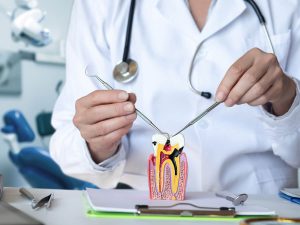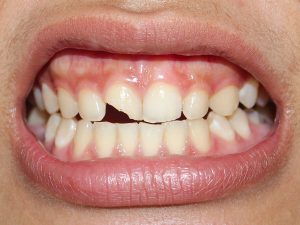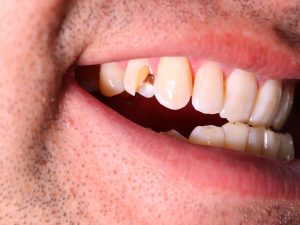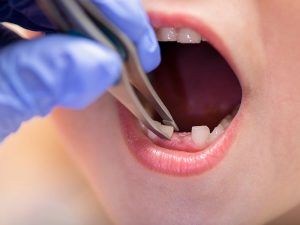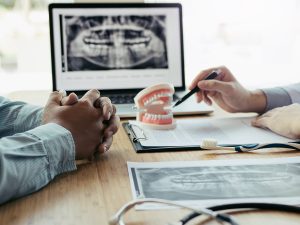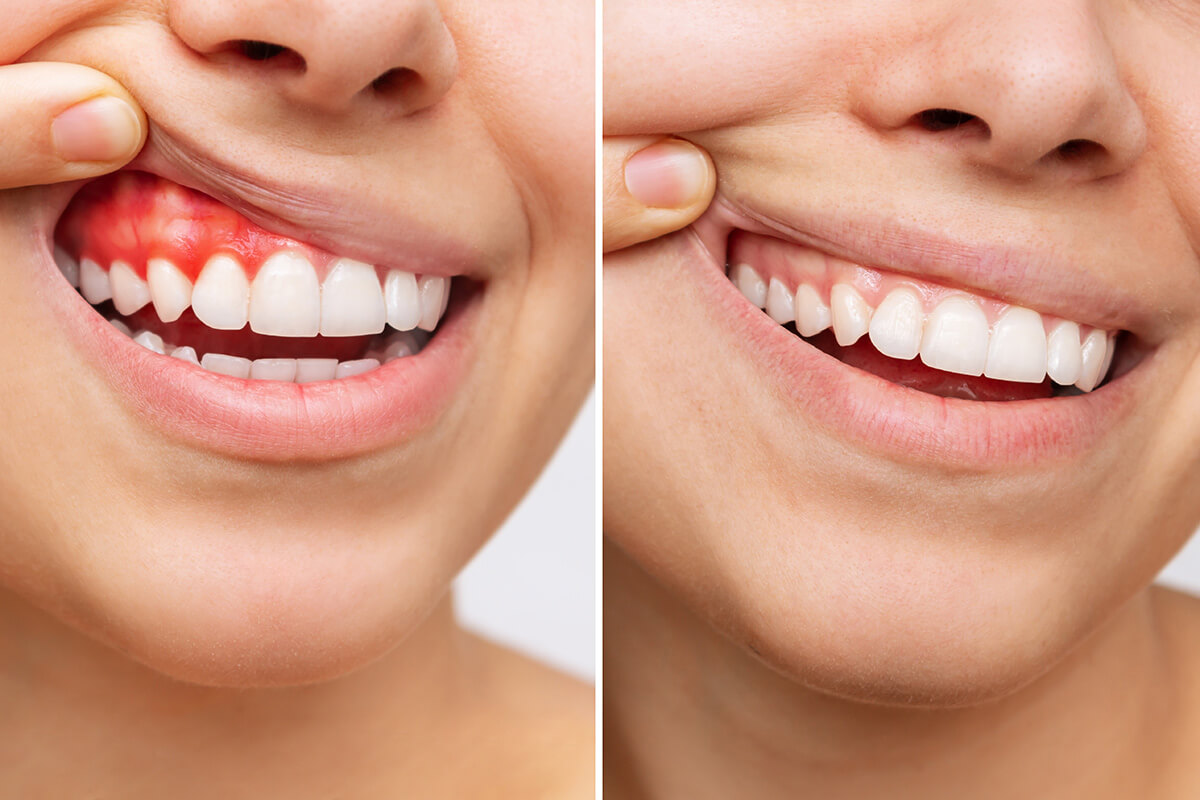
Gum tissue grafting, a restorative dental procedure, addresses the issue of receding gums by replacing lost tissue and protecting exposed tooth roots. Maintaining healthy gum tissue is vital for oral well-being as it forms a protective barrier against bacteria and other harmful elements. Gum recession, if left untreated, can have a domino effect, leading to heightened tooth sensitivity, an increased vulnerability to tooth decay and gum disease, and in severe cases, tooth loss.
Why Gum Tissue Grafting is Important
Gum tissue grafting serves multiple purposes, each focused on preserving the health and functionality of your gums and teeth. Below are the reasons why this procedure is often necessary:
- Preventing Tooth Sensitivity
Gum recession exposes the roots of the teeth, leading to increased sensitivity, especially to hot and cold temperatures. Grafting helps cover the exposed areas, reducing discomfort. According to the Canadian Dental Association (CDA), many Canadians experience sensitivity, and addressing recession early can mitigate the issue. - Protecting Tooth Roots from Decay
Exposed tooth roots are more vulnerable to decay. Unlike the crown of a tooth, the root lacks the protective enamel layer. Gum tissue grafting protects the roots from exposure to bacteria, reducing the likelihood of cavities and decay in sensitive areas. - Supporting Overall Gum Health
Healthy gum tissue acts as a barrier against harmful bacteria. When gum tissue is compromised due to recession, bacteria can more easily penetrate below the gum line, increasing the risk of infection. Grafting strengthens this barrier, contributing to overall oral health. - Improving Aesthetics
For individuals concerned about the appearance of their smile, gum recession can expose too much of the teeth, creating an imbalanced look. Gum grafting restores the natural gum line, enhancing the appearance of the teeth and gums, which can be important for confidence and self-esteem. - Enhancing Long-Term Dental Stability
Gums play a crucial role in keeping teeth securely in place. As gums recede, teeth may become loose or more prone to shifting. By restoring gum tissue, grafting helps to keep teeth firmly anchored, reducing the risk of movement or loss over time. - Addressing Gum Disease
Periodontal disease is a leading cause of gum recession. When untreated, this condition can lead to severe complications. Gum grafting is often used alongside other periodontal treatments to restore damaged tissue and promote healing, particularly in the advanced stages of gum disease.
When is Gum Tissue Grafting Recommended
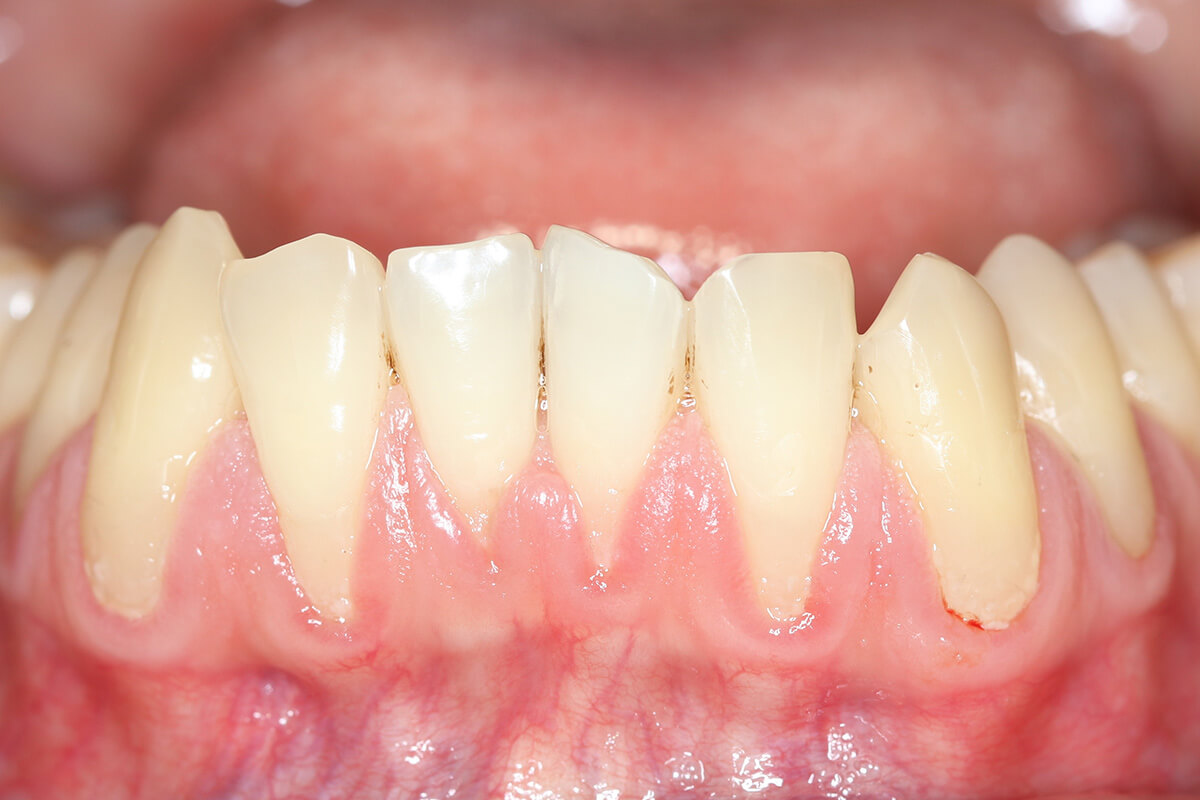
There are several situations where gum tissue grafting is a recommended procedure. These conditions may develop over time, with patients only noticing problems as symptoms worsen. Below are some of the most common reasons:
- Visible Gum Recession
Gum recession may become noticeable as the roots of the teeth begin to show. If you can see more of your teeth than usual or feel that the gum line has receded, your dentist might recommend grafting to restore the tissue and protect your oral health. - Persistent Tooth Sensitivity
Sensitivity that doesn’t respond to over-the-counter treatments, especially to cold air or drinks, can be a sign of significant gum recession. Grafting is recommended to address this issue by covering the exposed roots and reducing sensitivity. - Diagnosis of Periodontal Disease
Gum grafting is often part of a broader treatment plan for patients diagnosed with periodontal disease. It helps to restore damaged tissue after infection has been controlled, supporting both gum and tooth health. - Thin Gum Tissue
Some people naturally have thinner gum tissue, which can make them more prone to recession. If your dentist observes that your gum tissue is particularly thin, they might recommend a graft to bolster it before significant recession occurs. - Tooth Root Exposure
If the roots of your teeth are exposed due to recession, grafting can help to cover them. This procedure not only protects the roots from damage and decay but also restores the natural appearance of the gum line. - Dental Implant Preparation
In some cases, gum tissue grafting is used to prepare the gums for dental implants. Healthy gums are crucial for the success of implants, and grafting may be necessary if there is insufficient tissue to support the implant. - Aesthetic Concerns
Some patients choose gum grafting for cosmetic reasons. A recessed gum line can create a “long in the tooth” appearance that some find undesirable. Grafting restores the natural gum line, improving the smile’s appearance.
The Gum Tissue Grafting Procedure
Gum tissue grafting is a straightforward procedure performed by dental professionals. The steps may vary slightly depending on the type of graft being performed.
- Consultation and Diagnosis
Your dentist will first examine your gums and determine the extent of the recession. X-rays and other diagnostic tools may be used to assess the condition of the underlying bone and tissue. - Local Anaesthesia
The area is numbed using a local anaesthetic to ensure that the patient remains comfortable throughout the procedure. The use of anaesthesia allows the dentist to work efficiently without causing discomfort. - Tissue Harvesting
For connective tissue grafts, the dentist will take tissue from the roof of the mouth or another location. If using donor tissue, this step is skipped. The harvested tissue is carefully prepared for placement. - Placement of Graft
The harvested tissue is attached to the gumline in the area of recession. The dentist secures the graft using sutures to ensure it stays in place while healing.
Recovery and Aftercare
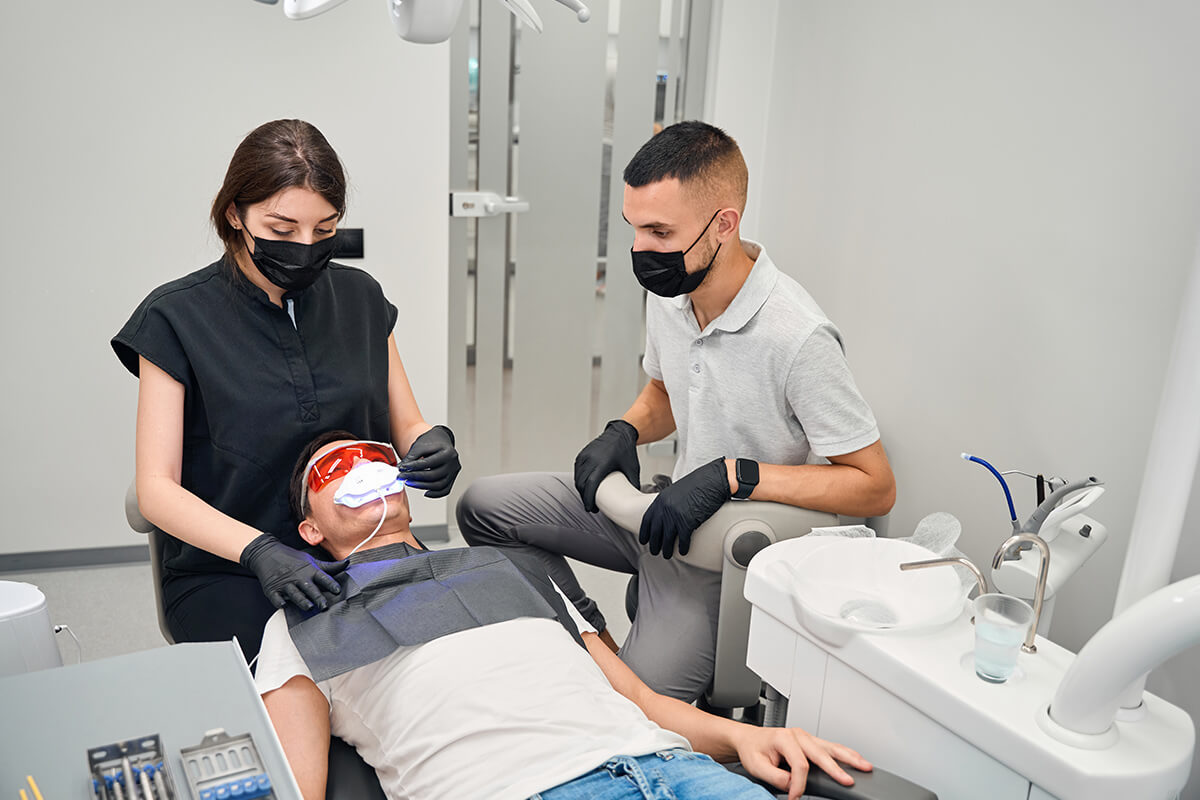
Recovery from gum tissue grafting usually takes a couple of weeks. Proper aftercare is essential to ensure successful healing and long-term results.
- Post-Procedure Discomfort
Patients may experience some discomfort following the procedure, which can typically be managed with over-the-counter pain relief. Your dentist may prescribe medication if needed. - Oral Hygiene Instructions
Patients will be advised on how to maintain oral hygiene while the graft heals. This often involves using a special mouthwash to prevent infection and avoiding brushing the area for a set period. - Dietary Adjustments
A soft diet is recommended for the first few days after surgery. Avoid hard or crunchy foods that could irritate the grafted area or dislodge stitches. - Follow-Up Visits
Regular follow-up visits will be scheduled to ensure the graft is healing properly. These appointments allow the dentist to monitor progress and make adjustments if necessary. - Avoiding Physical Activity
It’s usually recommended that patients avoid strenuous physical activity for at least a week after the procedure to minimize the risk of complications and promote faster healing. - Monitoring for Infection
Patients should be vigilant for signs of infection, such as excessive swelling, redness, or pus. If any of these symptoms occur, it’s important to contact the dentist immediately for further guidance.
Gum tissue grafting is an effective solution for addressing gum recession, protecting tooth roots, and improving overall oral health. Whether due to periodontal disease, tooth sensitivity, or cosmetic reasons, this procedure can provide long-lasting benefits. If you are experiencing gum recession, contact Bloor West Dentistry to discuss whether gum tissue grafting is right for you. Contact us today at (416) 763-1283 to schedule a consultation and take the first step towards a healthier, more confident smile.