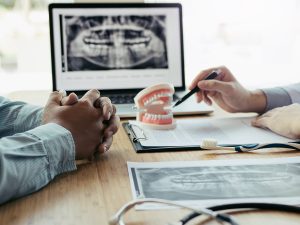
Healthy sleep is foundational for overall well-being, yet for many, the night brings an unconscious activity that can seriously affect dental health: teeth grinding. This involuntary clenching or grinding of teeth, known as bruxism, often occurs during sleep, making individuals unaware of the issue until symptoms appear. Addressing bruxism is important for maintaining oral integrity and preventing related health issues.
Recognizing the presence of sleep bruxism and understanding its implications is a proactive step towards preserving dental health. While the act of clenching teeth at night might seem minor, its effects can accumulate over time, leading to considerable discomfort and damage. Awareness empowers individuals to seek appropriate interventions and mitigate the long-term consequences of this common condition.
What is Bruxism?
Bruxism is a parafunctional oral behaviour that involves involuntary tooth grinding, clenching, or gnashing. It can occur during the day (awake bruxism) or, more commonly, during sleep (sleep bruxism). While some individuals might periodically grind their teeth without experiencing significant harm, chronic nighttime teeth grinding can lead to a range of dental and general health problems. The forces exerted during bruxism can be significantly greater than those used during normal chewing, placing undue stress on teeth, jaw muscles, and the temporomandibular joints (TMJs). It is often considered a sleep-related movement disorder, sharing characteristics with other unconscious nocturnal activities.
Common Causes and Risk Factors
The exact causes of bruxism are not always clear, but a combination of physical, psychological, and genetic factors often plays a role. Understanding these contributing elements can help in developing effective management strategies for teeth clenching.
- Stress and Anxiety: High levels of psychological stress, anxiety, frustration, or tension are frequently linked to nocturnal teeth grinding. Individuals under significant emotional strain may exhibit bruxism as an unconscious coping mechanism.
- Sleep Disorders: Conditions such as sleep apnoea, snoring, or other sleep-disordered breathing can increase the likelihood of sleep bruxism. The body’s attempt to open the airway during sleep disturbances may trigger clenching or grinding.
- Malocclusion and Dental Issues: An improper bite, missing teeth, or misaligned teeth can contribute to teeth grinding. The jaw may unconsciously attempt to find a more comfortable position, leading to grinding.
- Certain Medications: Some medications, particularly certain antidepressants (selective serotonin reuptake inhibitors or SSRIs), can have bruxism as a side effect. It is important to discuss any new or worsening symptoms with a healthcare professional.
- Lifestyle Factors: Excessive consumption of caffeine, alcohol, or recreational drugs can affect sleep patterns and increase the tendency to grind teeth at night. Smoking is also associated with a higher prevalence of bruxism.
- Age: While bruxism can affect individuals of all ages, it is particularly common in children and often diminishes as they mature. However, it can persist into adulthood or develop later in life.
- Genetics: A family history of bruxism suggests a genetic predisposition. If close family members grind their teeth, there is an increased chance that an individual may also develop the condition.
- Other Medical Conditions: Some neurological or psychological disorders, such as Parkinson’s disease, Huntington’s disease, or gastroesophageal reflux disease (GERD), have been associated with bruxism.
Signs and Symptoms: How Do You Know If You Grind Your Teeth?
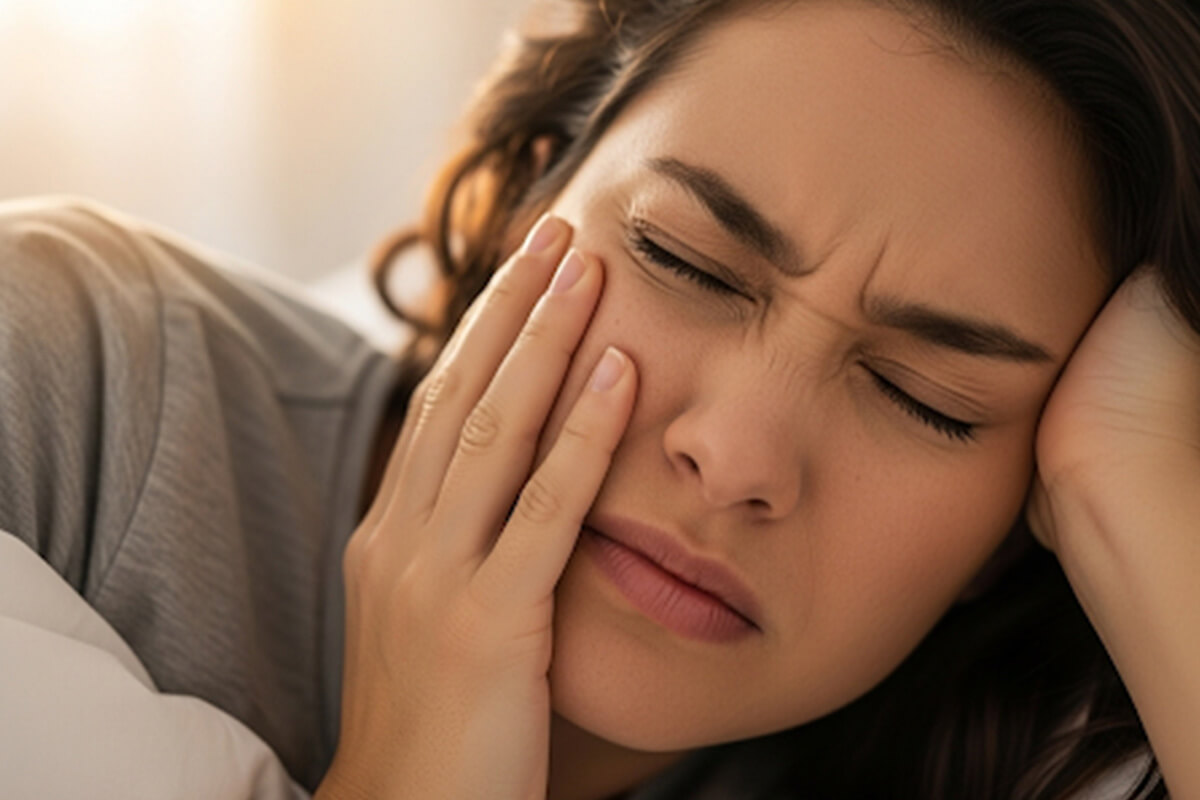
Identifying bruxism can be challenging because it often happens unconsciously, especially during sleep. However, various signs and symptoms can indicate the presence of teeth grinding at night. Recognizing these indicators is the first step towards seeking appropriate help for sleep bruxism.
- Worn Tooth Enamel: The continuous friction from clenching teeth at night can wear down the outer protective layer of tooth enamel. This wear may lead to increased tooth sensitivity to hot, cold, or sweet foods and drinks. The teeth might also appear flatter or shorter than usual due to the abrasive action.
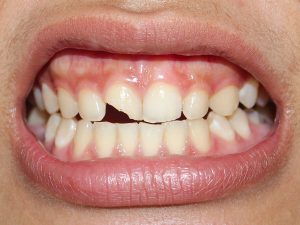
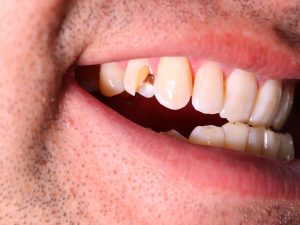
- Chipped or Fractured Teeth: The intense forces generated during nocturnal bruxism can cause teeth to chip, crack, or even fracture. These fractures can sometimes extend below the gum line, potentially requiring extensive dental procedures to repair or leading to tooth loss if left unaddressed.
- Jaw Pain or Tenderness: Many individuals with bruxism experience aching or tenderness in their jaw muscles, particularly upon waking. This discomfort is a direct result of the continuous contraction and overuse of the masticatory muscles during teeth grinding.
- Headaches and Earaches: The muscle strain from grinding teeth can radiate to other areas, causing tension headaches, especially in the temples, or earaches. These headaches often manifest in the morning, gradually subsiding throughout the day.
- Facial Pain: Chronic teeth clenching can lead to generalized facial pain, specifically around the jaw and cheeks. This pain may worsen throughout the day or after periods of intense clenching.
- Clicking or Popping in the Jaw Joint (TMJ): The temporomandibular joints (TMJs), which connect the jawbone to the skull, can become inflamed or damaged by persistent bruxism. This can result in audible clicking, popping, or grating sounds when opening or closing the mouth.
- Sleep Disruption: While the individual with sleep bruxism may not be aware of their own grinding, a sleeping partner might report hearing grinding noises. This can also disrupt the quality of the bruxer’s own sleep, leading to feelings of fatigue upon waking.
The Dangers of Untreated Bruxism
Allowing bruxism to continue without intervention can lead to a progression of dental damage and other health problems. The cumulative effects of chronic teeth grinding can significantly affect oral health and overall well-being. Addressing nocturnal bruxism promptly is important to mitigate these risks.
- Severe Tooth Damage: Prolonged and untreated teeth grinding can lead to severe and irreversible wear of the tooth surfaces. This can expose the dentin, increasing sensitivity and the risk of decay. In some cases, teeth may be worn down to mere stumps, necessitating crowns, veneers, or even extractions.
- Temporomandibular Joint Disorder (TMD): The constant strain on the jaw joints from bruxism can result in temporomandibular joint disorder (TMD). Symptoms of TMD include chronic jaw pain, difficulty opening or closing the mouth, jaw locking, and painful clicking or popping sounds in the joint.
- Gum Recession and Bone Loss: The excessive forces exerted during clenching teeth at night can put significant stress on the supporting structures of the teeth. Over time, this can contribute to gum recession and the loss of alveolar bone that holds the teeth in place, potentially leading to tooth mobility and eventual tooth loss.
- Increased Tooth Sensitivity: As tooth enamel wears away from grinding teeth, the underlying dentin becomes exposed. Dentin contains microscopic tubules that lead to the tooth’s nerve, making the tooth highly sensitive to changes in temperature, pressure, and certain foods.
- Chronic Headaches and Migraines: The sustained muscle tension in the jaw, face, and neck due to nocturnal bruxism can trigger frequent tension headaches, cluster headaches, and even migraines. These headaches often originate in the temporal region and can be debilitating.
How to Stop Grinding Your Teeth
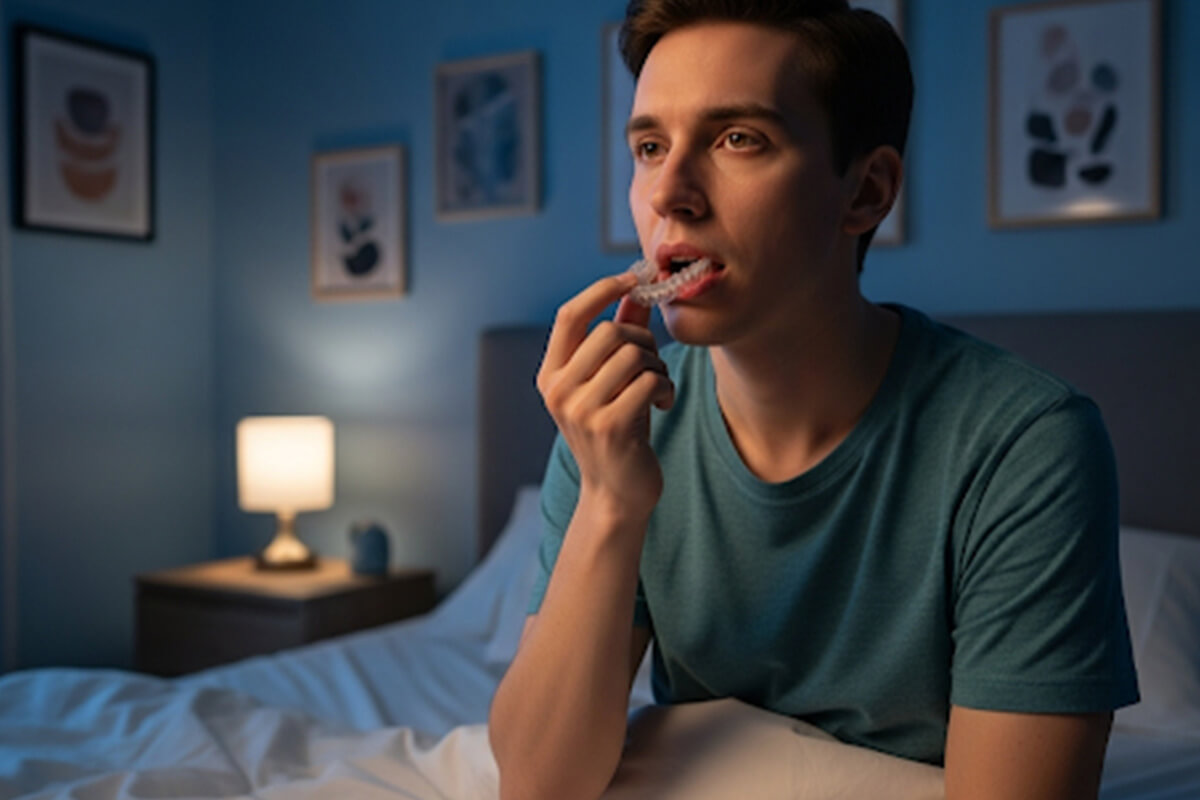
Stopping teeth grinding often involves a multi-faceted approach, addressing both the symptoms and the underlying causes. A comprehensive strategy can significantly reduce the frequency and intensity of bruxism episodes.
- Mouthguards or Occlusal Splints: A custom-fitted mouthguard or occlusal splint, typically worn at night, creates a barrier between the upper and lower teeth. This protects teeth from the abrasive forces of clenching teeth at night and can help to reduce muscle activity, offering significant relief from pain and wear.
- Stress Management Techniques: Since stress and anxiety are major contributors to bruxism, incorporating stress-reduction practices into daily life can be effective. This includes mindfulness meditation, deep breathing exercises, yoga, and regular physical activity to help manage emotional tension.
- Medication (Short-Term): In some cases, medications may be prescribed for short-term relief, such as muscle relaxants to ease jaw muscle spasms, or non-steroidal anti-inflammatory drugs (NSAIDs) to manage pain and inflammation associated with teeth grinding. Botulinum toxin injections can also be used to weaken the jaw muscles and reduce grinding.
- Addressing Underlying Sleep Disorders: If bruxism is linked to a sleep disorder like sleep apnoea, treating the underlying condition is crucial. This might involve Continuous Positive Airway Pressure (CPAP) therapy or oral appliances designed to keep the airway open during sleep.
- Dental Correction: If a misaligned bite or other dental issues are contributing to bruxism, dental corrections may be necessary. This could involve orthodontics to correct tooth alignment, or restorative procedures to rebuild worn-down teeth and restore proper bite function.
Prevention Tips and When to Seek Professional Help
Proactive measures and timely professional intervention are essential for managing bruxism and preventing its progression. A combination of self-care and dental oversight provides the most effective approach for addressing nighttime teeth grinding.
- Establish a Relaxing Bedtime Routine: Creating a calming routine before sleep can help prepare the body for rest and reduce the likelihood of grinding teeth. This might include a warm bath, reading, or listening to soothing music. Avoid stimulating activities close to bedtime.
- Limit Caffeine and Alcohol Intake: Reducing consumption of caffeine and alcohol, especially in the evenings, can improve sleep quality and decrease the incidence of nocturnal bruxism. These substances can disrupt normal sleep patterns and increase muscle activity.
- Avoid Chewing Gum and Hard Foods: Excessive chewing, such as chewing gum or habitually eating very hard foods, can overwork the jaw muscles. This can exacerbate existing teeth clenching habits and contribute to muscle fatigue and pain.
- Regular Dental Check-ups: Routine visits to a dentist are crucial for early detection of bruxism signs, such as worn enamel or fractured teeth. A dentist can monitor changes in your oral health and recommend interventions before severe damage occurs.
- Recognize and Manage Stress: Actively identify stressors in your life and develop coping mechanisms. This could involve counselling, engaging in hobbies, or spending time in nature, which can indirectly reduce the tendency to grind teeth at night.
If you suspect you grind your teeth at night, experience persistent jaw pain, headaches, or notice changes in your teeth, it is important to consult a dental professional. They can diagnose bruxism, assess the extent of damage, and recommend appropriate treatments, such as a custom mouthguard or other therapeutic options. The Canadian Dental Association recommends that any persistent jaw pain or tooth sensitivity should prompt a visit to a dentist for evaluation of bruxism or other conditions.
Proactive measures, including stress management, lifestyle adjustments, and regular dental check-ups, can play a significant role in preventing or mitigating the effects of teeth grinding. For persistent symptoms or concerns about sleep bruxism, seeking professional dental care is crucial. Contact Bloor West Dentistry at (416) 763-1283. Your Kingsway dentist is ready to assist you.