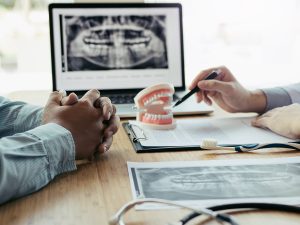
Teeth grinding, medically termed bruxism, is a prevalent condition affecting a significant portion of the population, with an estimated 1 in 4 Canadians experiencing it. This involuntary clenching or grinding of teeth often occurs during sleep or periods of heightened stress, leading to detrimental effects on oral health and overall well-being. While the exact cause remains unclear, a combination of factors like stress, anxiety, sleep disorders, and certain medications are frequent culprits.
The repercussions of untreated bruxism can be far-reaching. It can lead to chronic jaw pain, known as temporomandibular joint disorder (TMJ), characterized by tenderness, clicking sounds, difficulty opening the mouth, and even radiating pain to the ears or neck. Moreover, bruxism can cause headaches, wear down teeth, and disrupt sleep, impacting various aspects of daily life. Recognizing and addressing bruxism is crucial for maintaining oral health and overall well-being.
What is Bruxism?
Bruxism manifests as the clenching or grinding of teeth, often occurring subconsciously during sleep (sleep bruxism) or in response to stress and anxiety (awake bruxism). The persistent pressure exerted on the jaw joint and surrounding muscles can lead to the development of TMJ. The temporomandibular joint, responsible for jaw movement, becomes inflamed and irritated due to the excessive force applied during bruxism. This inflammation results in jaw pain, stiffness, and limited range of motion, significantly impacting an individual’s ability to eat, speak, and perform daily activities.
Causes
The underlying causes of bruxism are multifaceted, involving a complex interplay of physical, psychological, and genetic factors:
- Stress and Anxiety: Emotional stress is a prominent trigger for bruxism, as individuals may unconsciously clench their jaw as a coping mechanism for tension and worry.
- Sleep Disorders: Sleep bruxism is often associated with other sleep disorders, such as obstructive sleep apnea, where disrupted breathing patterns can lead to teeth grinding.
- Medications: Certain medications, particularly those affecting neurotransmitters or dopamine levels, have been linked to bruxism as a potential side effect.
- Substance Use: Alcohol and recreational drugs, including stimulants and hallucinogens, can exacerbate teeth grinding tendencies by affecting the central nervous system.
- Genetics and Family History: While not a direct cause, a family history of bruxism suggests a potential genetic predisposition to the condition.
- Occlusal Factors: Malocclusion, or misaligned teeth, can contribute to bruxism by creating an uneven bite and forcing the jaw to compensate.
- Lifestyle Factors: High caffeine consumption, smoking, and poor posture have also been associated with an increased risk of bruxism.
Signs and Symptoms
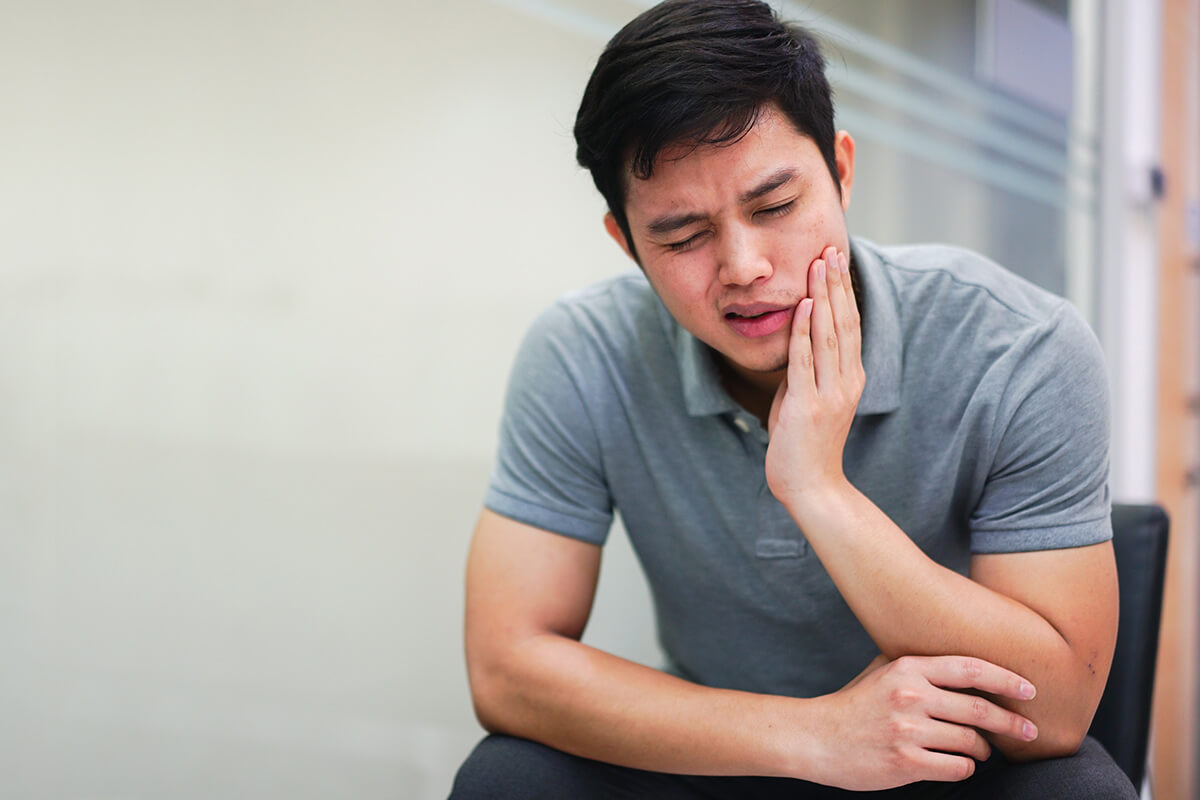
The signs and symptoms of bruxism can vary in severity and presentation, making it essential to recognize the following indicators:
- Teeth Grinding or Clenching: Audible grinding or clenching sounds, often reported by sleep partners or family members.
- Jaw Pain and Stiffness: Discomfort, soreness, or limited range of motion in the jaw joint, particularly upon waking or during stressful periods.
- Facial Pain: Aching or tenderness in the face, temples, or ears, often described as a dull, throbbing pain.
- Headaches: Frequent tension headaches, especially in the morning or after periods of stress, can be a result of bruxism.
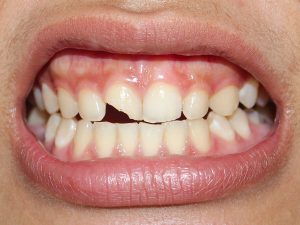
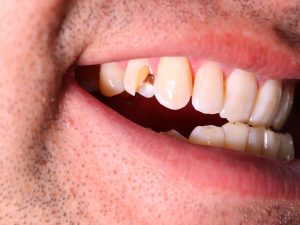
- Worn or Flattened Teeth: Visible signs of wear and tear on teeth, including flattened surfaces, chipped enamel, or fractured cusps.
- Tooth Sensitivity: Increased sensitivity to hot, cold, or sweet stimuli due to exposed dentin or weakened enamel.
- Sleep Disruptions: Difficulty falling asleep, frequent awakenings, or unrefreshing sleep due to jaw discomfort and grinding sounds.
- Earache: Pain or a feeling of fullness in the ears, as the temporomandibular joint is located near the ear canal.
- Clicking or Popping Sounds in the Jaw: Audible sounds during jaw movement, indicating dysfunction within the joint.
Effective Strategies for Reducing Teeth Grinding
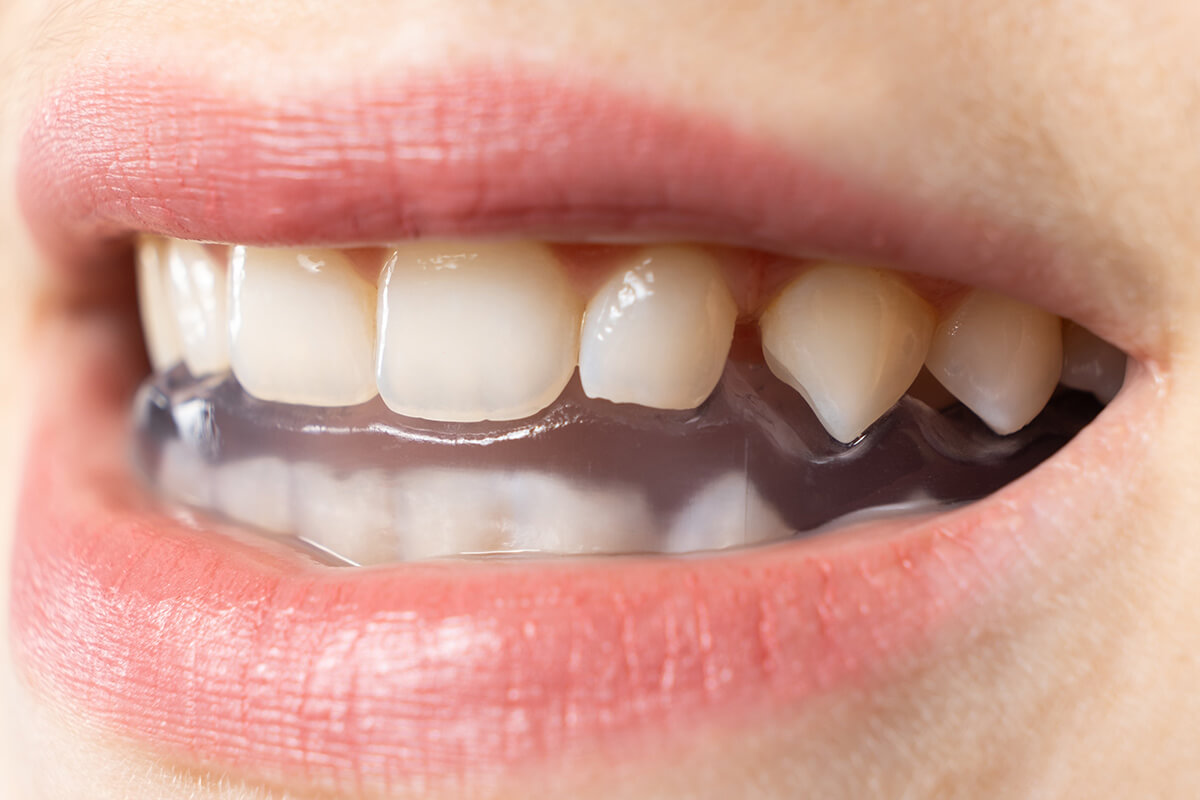
Addressing bruxism requires a comprehensive approach that combines various strategies to alleviate symptoms and address underlying causes:
- Stress Management Techniques: Practising relaxation techniques, such as mindfulness meditation, deep breathing exercises, or yoga, can help manage stress and reduce the frequency and intensity of teeth grinding.
- Mouth Guards and Splints: Custom-fitted oral appliances, worn during sleep or periods of stress, create a barrier between teeth and protect them from the forces of clenching and grinding.
- Behavioural Therapy: Cognitive behavioural therapy (CBT) can help individuals identify and modify behavioural patterns contributing to bruxism, such as stress-related habits or negative thought patterns.
- Biofeedback: This technique utilizes sensors to provide real-time feedback on muscle activity, helping individuals become aware of their clenching habits and learn to relax their jaw muscles.
- Medications: In severe cases, muscle relaxants or botulinum toxin injections may be prescribed to temporarily alleviate muscle tension and pain associated with bruxism.
- Physical Therapy: Jaw exercises, stretches, and massage therapy can improve jaw joint mobility, reduce muscle tension, and promote relaxation.
- Dietary Changes: Limiting caffeine and alcohol consumption, as well as avoiding hard or chewy foods, can help alleviate symptoms and reduce the strain on the jaw joint.
Prevention and Long-Term Management
Preventing bruxism and managing it effectively in the long term require a proactive approach and consistent self-care practices:
- Maintain Good Oral Hygiene: Regular brushing, flossing, and dental check-ups are essential for preventing tooth damage and identifying potential issues early on.
- Establish a Relaxing Night Routine: Before going to bed, try relaxing activities like reading, having a warm bath, or listening to quiet music. These will help you unwind and lessen the chance of having bruxism during night.
- Address Underlying Sleep Disorders: If sleep apnea or other sleep disorders are suspected, seeking treatment can help alleviate nighttime teeth grinding and improve overall sleep quality.
- Consider Counselling or Therapy: If stress or anxiety are major contributors, counselling or therapy can provide individuals with valuable coping mechanisms and strategies for managing these emotions.
- Regularly Evaluate Stress Levels: Identifying and addressing stressors promptly can prevent their escalation and minimize bruxism triggers.
- Practice Relaxation Techniques Daily: Incorporating relaxation techniques into daily routines can reduce overall stress levels and muscle tension, minimizing the risk of bruxism.
- Maintain a Healthy Lifestyle: Regular exercise, a balanced diet, and adequate sleep contribute to overall well-being and can help minimize bruxism risk factors.
Teeth grinding and jaw pain are common complaints that can significantly impact quality of life. By understanding the causes, recognizing the symptoms, and implementing effective strategies, individuals can successfully manage bruxism and alleviate associated discomfort. If you are experiencing teeth grinding or jaw pain, consider seeking guidance from your dentist or healthcare provider to explore personalized treatment options and regain control over your oral health and well-being.
For further information and professional assistance, contact Bloor West Dentistry at (416) 763-1283.