Dental crowns and bridges offer excellent solutions for restoring the function and appearance of damaged or missing teeth. Crowns are tooth-shaped “caps” that fully cover a damaged tooth, protecting it and restoring its aesthetic appeal. Bridges fill the gap left by one or more missing teeth, maintaining your smile’s structure, preventing teeth from shifting, and helping with proper chewing.
Investing in crowns or bridges is an investment in your long-term oral health and confidence. To maximize the lifespan of your dental restorations, it’s vital to implement a consistent care routine that complements your overall oral hygiene. This guide will walk you through the steps for optimal crown and bridge maintenance.
Daily Cleaning Routines
- Brushing: Brushing twice daily with fluoride toothpaste and a soft-bristled toothbrush is essential for maintaining oral health. Special emphasis should be placed on the area around dental crowns and bridges to prevent plaque buildup and gum disease. This meticulous cleaning routine helps safeguard the integrity of the dental work and supports overall gum health by mitigating the risks of periodontal diseases.
- Flossing: Flossing daily is vital for the care of crowns and bridges. Using floss threaders or water flossers facilitates the removal of food particles and plaque from hard-to-reach areas under the bridge and between the crown and adjacent teeth. Regular flossing is a preventive measure against decay and gum issues, ensuring the longevity of dental restorations and the health of surrounding tissues.
- Mouthwash: The inclusion of an antibacterial mouthwash in your daily oral hygiene regimen offers an extra layer of defense against bacteria. By reaching places that might be overlooked during brushing and flossing, mouthwash effectively reduces plaque, combats bacteria, and thus, provides a supplementary protective barrier for your dental crowns and bridges, ensuring their durability and the health of your oral cavity.
- Interdental Brushes: Specifically designed for cleaning between teeth and around dental restorations, interdental brushes are an indispensable part of oral hygiene for individuals with crowns and bridges. Available in various sizes, these brushes are especially effective in cleaning the sides of dental restorations, thereby enhancing gum health and ensuring the longevity of the crowns and bridges by preventing plaque buildup and gum disease.
Dietary Do’s and Don’ts

- Do: Consume Soft Foods – Soft foods are essential for those with dental crowns and bridges as they minimize the risk of accidental damage. By including easily consumable items like soups, eggs, and cooked vegetables in your diet, you can protect your dental work. These foods do not require the same level of chewing force as harder foods, ensuring the longevity and stability of your restorations.
- Don’t: Chew on Ice – Ice poses a significant risk to dental crowns and bridges due to its hard texture and cold temperature. The act of chewing ice can lead to cracks or fractures in the restorative materials, compromising their structural integrity. Such damage not only detracts from the aesthetic appearance of your dental work but may also necessitate costly and time-consuming repairs.
- Do: Include Dairy Products – Dairy products are beneficial for individuals with dental crowns and bridges, thanks to their high calcium content. Calcium strengthens the dental structure, including the teeth that serve as anchors for bridges and the underlying tooth structure for crowns. Regular consumption of milk, cheese, and yogurt can help maintain the durability and support of your dental restorations.
- Don’t: Consume Sticky or Hard Candy – Sticky and hard candies are detrimental to dental crowns and bridges. Their texture can exert excessive force on the restoration, potentially weakening or dislodging it. Such incidents not only compromise the functionality of your dental work but can also lead to the necessity for immediate dental attention to restore or replace the affected restoration.
- Do: Eat Leafy Greens – Leafy greens are an excellent addition to the diet of anyone with dental crowns and bridges. These vegetables are not only soft and easy to chew but are also rich in essential vitamins and minerals that support oral health. Incorporating leafy greens into your meals can enhance the health of the gums and teeth, providing a strong foundation for your dental restorations.
Protecting Your Investment
- Mouthguards: If you’re involved in contact sports or activities where facial impact is a possibility, a custom-fitted mouthguard is essential to protect your teeth and dental work from potential trauma. Your dentist can provide this vital safeguard.
- Nightguards: If you grind or clench your teeth at night (a condition called bruxism), ask your dentist about a nightguard. This appliance provides a protective barrier between your top and bottom teeth, minimizing wear and tear on your crown, bridge, and natural teeth while you sleep.
- Avoid Using Teeth as Tools: Your teeth are meant for chewing food – resist the temptation to use them to open bottles, tear packaging, or hold objects. These habits put unnecessary strain on your teeth and can drastically shorten the lifespan of your restorations.
The Importance of Regular Checkups
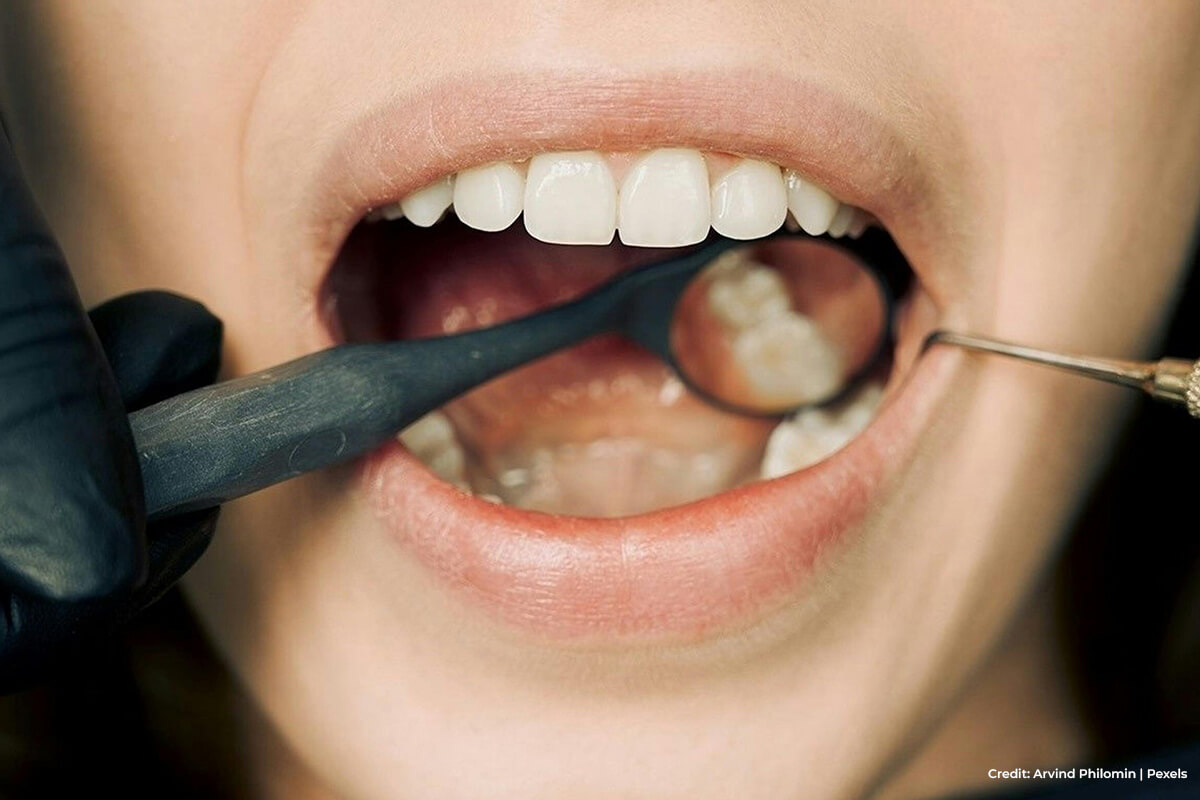
- Professional Cleanings: In addition to your at-home routine, schedule regular cleanings and checkups with your dentist and hygienist. A hygienist has specialized tools that effectively remove plaque and tartar from even hard-to-reach places, ensuring a deeper clean than brushing and flossing alone can provide.
- Early Problem Detection: During your dental exams, your dentist will carefully assess your crown or bridge, meticulously looking for any signs of wear, potential fractures, or gum health concerns. Detecting issues early on allows for less invasive and more affordable treatments, preserving your restorations for the long term.
Diligent care and maintenance are key to maximizing the lifespan of your dental crowns and bridges. By adhering to daily cleaning routines, being mindful of dietary choices, protecting your investment with mouthguards, and attending regular checkups, you can ensure your dental restorations serve you well for many years. Remember, the effort you put into caring for your crowns and bridges not only protects your oral health but also contributes to the overall longevity and success of your dental work.
For those seeking further guidance or professional dental care, Bloor West Dentistry stands ready to assist. With a commitment to excellence and patient-centred care, we invite you to contact us at (416) 763-1283 to schedule your next appointment or consultation.