You brush twice a day, floss regularly, and still find yourself battling cavities or sensitive teeth. What gives? Despite diligent efforts, many common, seemingly innocuous habits can silently wreak havoc on your dental health. It’s often not the obvious culprits but rather subtle, repetitive actions that erode the strength and vitality of your teeth.
Understanding these less-apparent behaviours is crucial for genuinely safeguarding your smile. This knowledge empowers you to identify and address behaviours that might be undermining your oral hygiene routine, leading to long-term dental problems. Protecting your smile means recognizing these hidden dangers.
Habits Secretly Damaging Your Teeth
Some habits, though seemingly minor, can significantly impact your dental health over time. Being aware of these can help you avoid potential damage and maintain a healthier mouth.
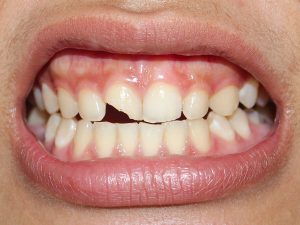
- Chewing Ice: The hard, brittle nature of ice can easily cause tooth fractures or chips. This habit also puts immense stress on tooth enamel, making it more susceptible to damage and sensitivity. Many people chew ice without realizing the harm it causes.
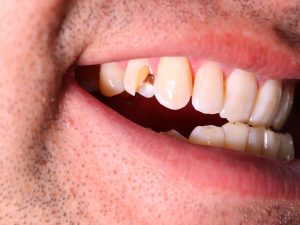
- Using Teeth as Tools: Opening packages, biting nails, or ripping tags with your teeth can lead to cracks, chips, and even dislodge fillings. Teeth are designed for chewing food, not for exerting force on hard objects. This often-overlooked habit can cause serious dental damage.
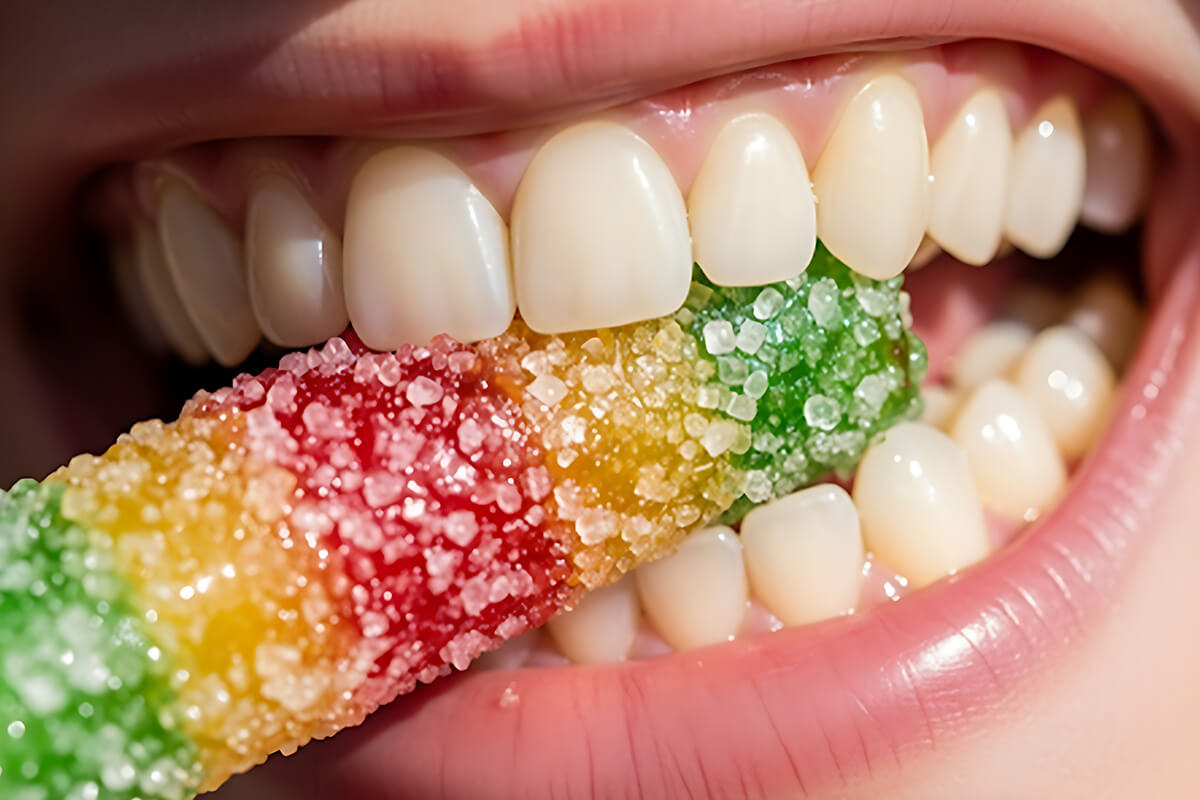
- Constant Snacking on Sugary or Acidic Foods: Frequent consumption of sugary snacks or acidic beverages, such as fizzy drinks or citrus fruit, keeps your teeth exposed to harmful acids. This constant acid attack erodes enamel, increasing the risk of cavities and enamel wear. The frequency is more damaging than the quantity.
- Aggressive Brushing: Too much brushing and the usage of a toothbrush with firm bristles can wear down enamel and irritate the gums, resulting in gum recession and dental sensitivity. A gentle approach with a soft-bristled brush is more effective and less damaging to oral tissues.
- Grinding or Clenching Teeth (Bruxism): Often occurring unconsciously, especially during sleep, bruxism puts excessive force on teeth, leading to wear, fractures, and jaw pain. Stress is a common trigger for this habit, which can severely impact tooth structure. Many people are unaware they do it.
- Drinking Coffee or Tea Frequently: While not as acidic as fizzy drinks, coffee and tea can stain teeth and, if consumed with sugar, contribute to acid production. Their frequent consumption, particularly without rinsing afterwards, can lead to tooth discolouration and an increased risk of cavities.
- Smoking or Using Tobacco Products: Tobacco use significantly increases the risk of gum disease, tooth loss, and oral cancer. It also causes severe bad breath and stains teeth, making them appear dull and unhealthy. The harmful chemicals affect the entire oral environment.
- Biting Pens or Pencils: Similar to chewing ice, this nervous habit can chip or crack teeth and put undue stress on your jaw. The repetitive pressure can weaken dental integrity over time, leading to unexpected dental issues. Many engage in this without thinking.
General Tips for Optimal Oral Health

Adopting simple, consistent practices can significantly improve your oral health and prevent many common dental problems. These habits work alongside regular professional care.
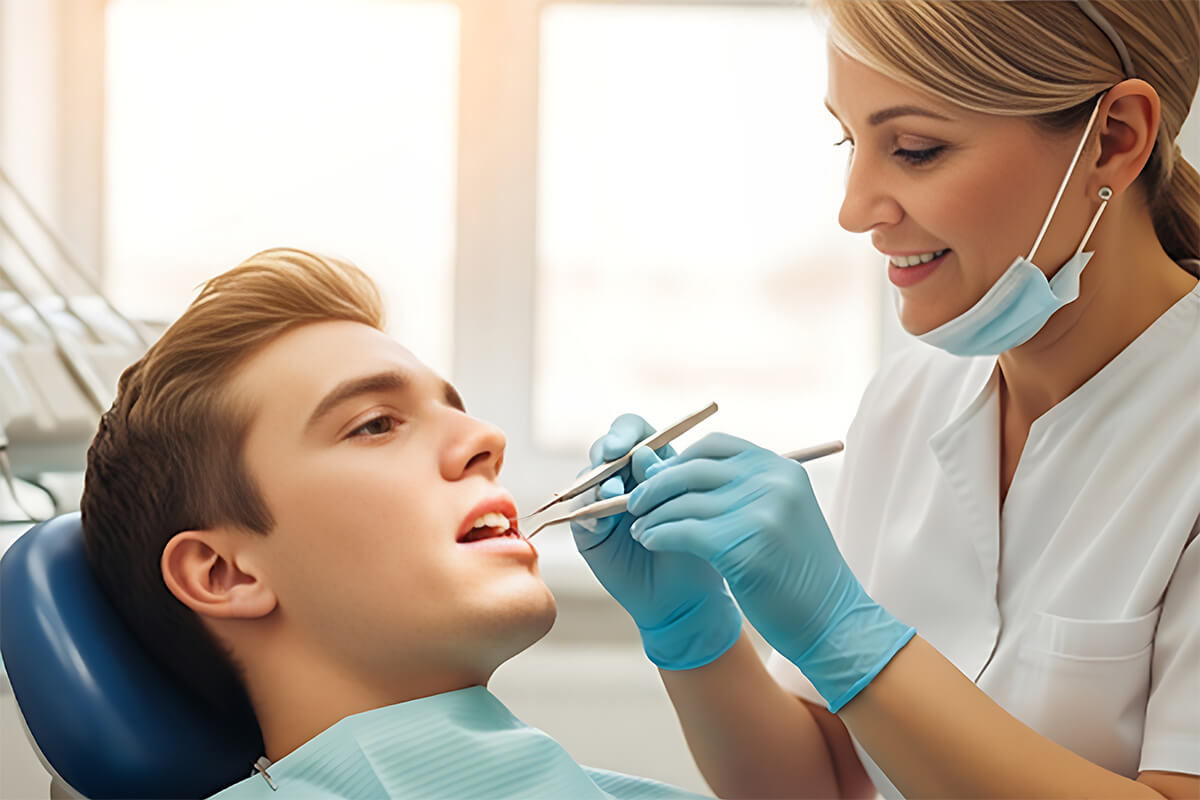
- Regular Dental Check-ups: Visiting your dentist for routine examinations and cleanings is fundamental. These appointments allow for early detection of issues like cavities, gum disease, and other oral health concerns, preventing them from worsening. The Canadian Dental Association recommends regular preventative care.
- Balanced Diet: A diet high in whole grains, fruits, and vegetables promotes healthy gums and teeth. Limiting sugary and acidic foods reduces the risk of tooth decay. Proper nutrition contributes to overall health, including your oral well-being.
- Proper Brushing and Flossing Technique: Brushing twice daily for two minutes with fluoride toothpaste and flossing once a day effectively removes plaque and food particles. Focusing on proper technique ensures thorough cleaning and prevents plaque buildup. This is fundamental to a good oral hygiene routine.
- Hydration with Water: Drinking plenty of water, especially after meals, helps rinse away food particles and neutralizes acids in the mouth. Fluoridated water can also strengthen tooth enamel. Water is a natural cleanser for your mouth.
- Use of Oral Protection: If you play sports, wear a mouthguard to protect against dental injuries. For those who clench or grind their teeth, a nightguard can prevent damage. Protecting your teeth during activities is an essential preventative measure.
Maintaining a healthy smile goes beyond just brushing and flossing; it requires an awareness of the less obvious habits that can silently erode your dental health. By identifying and modifying these behaviours, you can significantly reduce your risk of cavities, gum disease, and other complications. Prioritizing dental care means being mindful of your daily routines.
For comprehensive oral health guidance and personalized care, consider consulting with a dentist in Kingsway. You can reach Bloor West Dentistry at (416) 763-1283 to schedule an appointment and take the next step towards a healthier, more resilient smile.