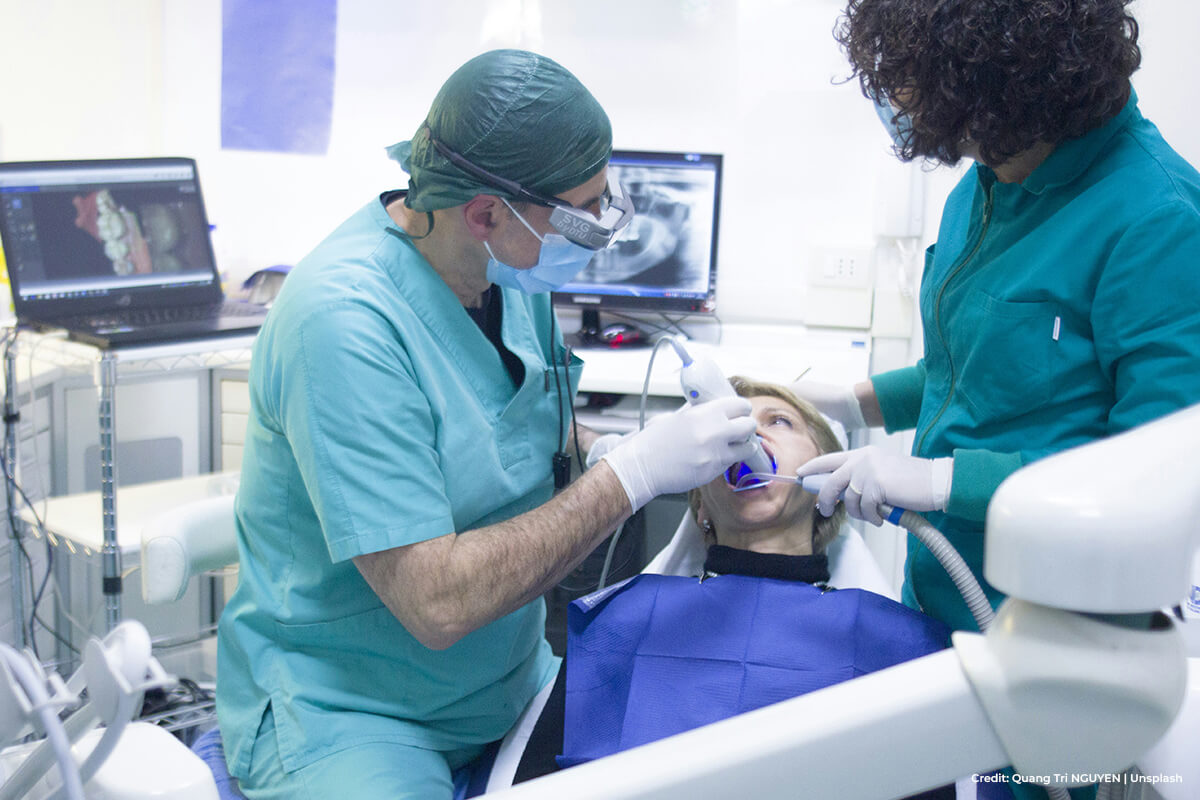
Beyond brushing and flossing, sometimes a deeper intervention is necessary to maintain healthy gums and teeth. Deep teeth cleaning is a specialized dentistry technique used to treat gum disease. This procedure targets tartar and plaque accumulation below the gum line, where ordinary cleaning is ineffective. By smoothing the tooth roots and eliminating harmful bacteria, deep cleaning aims to prevent further damage and promote gum healing.
The importance of oral hygiene cannot be overstated. Gum disease, also referred to as periodontal disease, can lead to a host of complications if left untreated. From tooth loss and bone deterioration to potential links with systemic conditions like heart disease and diabetes, gum disease poses a significant threat to overall health. Deep cleaning is a crucial defense against these risks, ensuring not just a beautiful smile but a healthier you.
Signs You Need Deep Teeth Cleaning
Despite conscientious oral care routines, gum disease can still manifest. Here are some telltale signs that it might be time to consider a deep cleaning:
- Persistent Bad Breath: Even after meticulously brushing and flossing, if your breath still carries an unpleasant odour, it might indicate advanced gum disease. This lingering bad breath often originates from bacteria nestled deep within gum pockets, inaccessible to routine cleaning.
- Red, Swollen, or Tender Gums: Gums in good health are usually pink and firm. Any deviation from this norm, such as redness, swelling, or tenderness when touched, can signal underlying inflammation and potential infection within the gums.
- Bleeding Gums: Bleeding while brushing or flossing should not be dismissed as normal. It’s often an early warning sign of gum disease, indicating that your gums are irritated and inflamed due to bacterial buildup.
- Receding Gums: As gum disease progresses, your gums might start to recede, exposing more of the tooth root. This can lead to heightened sensitivity, aesthetic concerns as your teeth appear longer, and an increased vulnerability to tooth decay.
- Loose or Shifting Teeth: Gum disease can compromise the structural integrity of the tissues that anchor your teeth, potentially causing them to become loose or shift in position. This can negatively impact your bite alignment and, in severe cases, lead to tooth loss.
- Pus Between Teeth and Gums: The presence of pus, a yellowish fluid, between your teeth and gums is a clear indicator of infection. This warrants immediate professional attention to prevent the infection from spreading and causing further damage.
- Changes in Bite or How Teeth Fit Together: As gum disease progresses, it alters the underlying gum and bone structure, which can lead to noticeable changes in how your teeth fit together when you bite or chew. This can result in discomfort and difficulties in performing everyday eating tasks.
- Sensitivity to Hot or Cold: When your gums recede due to gum disease, the tooth roots become exposed, leading to heightened sensitivity to temperature fluctuations. This can make consuming hot or cold food and beverages a painful experience.
- Deep Pockets Between Teeth and Gums: If your dentist measures pockets deeper than 3 millimetres between your teeth and gums, this is a sign of advanced gum disease. These deep pockets provide an ideal environment for bacteria to thrive, necessitating specialized cleaning to reach and eliminate them.
- A Metallic Taste in Your Mouth: A persistent metallic taste in your mouth can be attributed to the presence of bacteria and infection within your gums. This unusual taste often signifies advanced gum disease that requires immediate professional treatment.
What to Expect During Deep Cleaning
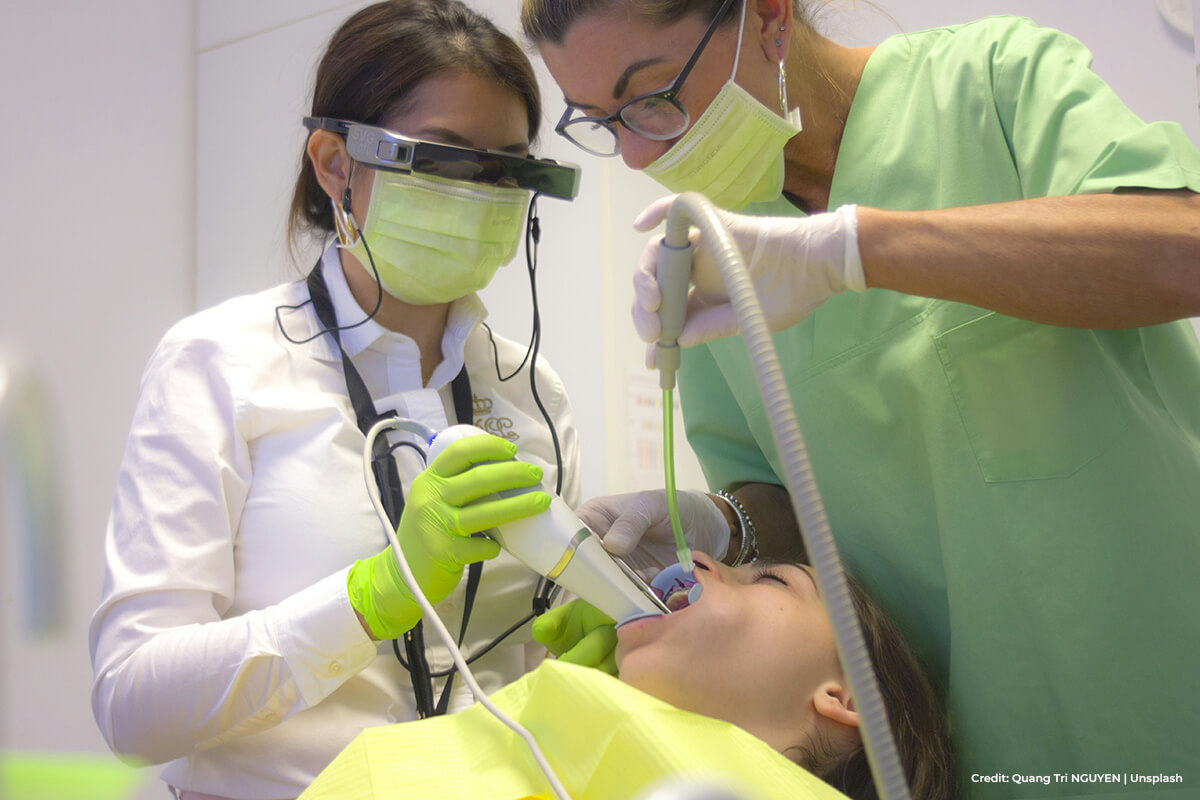
Deep cleaning is a comprehensive procedure often carried out over multiple appointments. Here’s an overview of what you can expect during a deep cleaning session:
- Numbing: To ensure your utmost comfort, local anaesthesia will be administered to numb the area being treated.
- Scaling: Using specialized instruments, your dentist or hygienist will meticulously remove plaque and tartar buildup from both above and below the gumline.
- Root Planing: The tooth roots will be carefully smoothed to eliminate rough surfaces where bacteria tend to cling. This creates a clean environment that promotes gum reattachment.
- Antibiotics or Medicated Mouth Rinse: In some cases, antibiotics or a medicated mouth rinse may be prescribed to combat infection and facilitate healing.
- Follow-up Visits: Regular follow-up appointments are essential to monitor your healing progress and ensure ongoing gum health. Your dentist will assess the effectiveness of the cleaning and provide guidance on maintaining oral hygiene.
- Post-Procedure Sensitivity: It’s not uncommon to experience some temporary sensitivity after a deep cleaning. This usually subsides within a few days. Over-the-counter pain relievers and desensitizing toothpaste can help manage any discomfort.
- Improved Gum Health: With proper post-treatment care and diligent oral hygiene practices, deep cleaning can significantly improve gum health and prevent further deterioration. You can expect healthier gums, reduced inflammation, and a decreased risk of complications.
When to See a Dentist

If you notice any of the signs mentioned above, it’s crucial to consult a dentist promptly. Early detection and intervention are key to managing gum disease effectively.
- Regular Checkups: Even in the absence of symptoms, biannual dental exams are vital for maintaining oral health. Regular checkups allow your dentist to identify any potential issues early on and provide preventive care.
- Sudden Changes: Any abrupt changes in your oral health warrant professional attention. Don’t hesitate to contact your dentist if you experience new or worsening symptoms.
- Family History: If gum disease runs in your family, you may be at an increased risk. Inform your dentist about your family history so they can provide personalized preventive strategies.
- Other Health Concerns: Certain health conditions, such as diabetes and heart disease, can impact oral health. Additionally, smoking and certain medications can increase the risk of gum disease. Be sure to discuss your overall health with your dentist.
- Pregnancy: Hormonal fluctuations during pregnancy can make gums more susceptible to inflammation. Regular dental checkups during pregnancy are crucial to monitor and manage oral health.
Deep teeth cleaning is a powerful tool for combating gum disease and preserving oral health. By recognizing the signs and seeking professional care promptly, you can avoid serious complications and enjoy a healthy, vibrant smile.
If you’re concerned about your gums or haven’t had a dental checkup in a while, reach out to a trusted dental professional. Bloor West Dentistry in Toronto provides exceptional dental care with a focus on patient comfort and satisfaction. To schedule a consultation or learn more about their services, call (416) 763-1283 today.