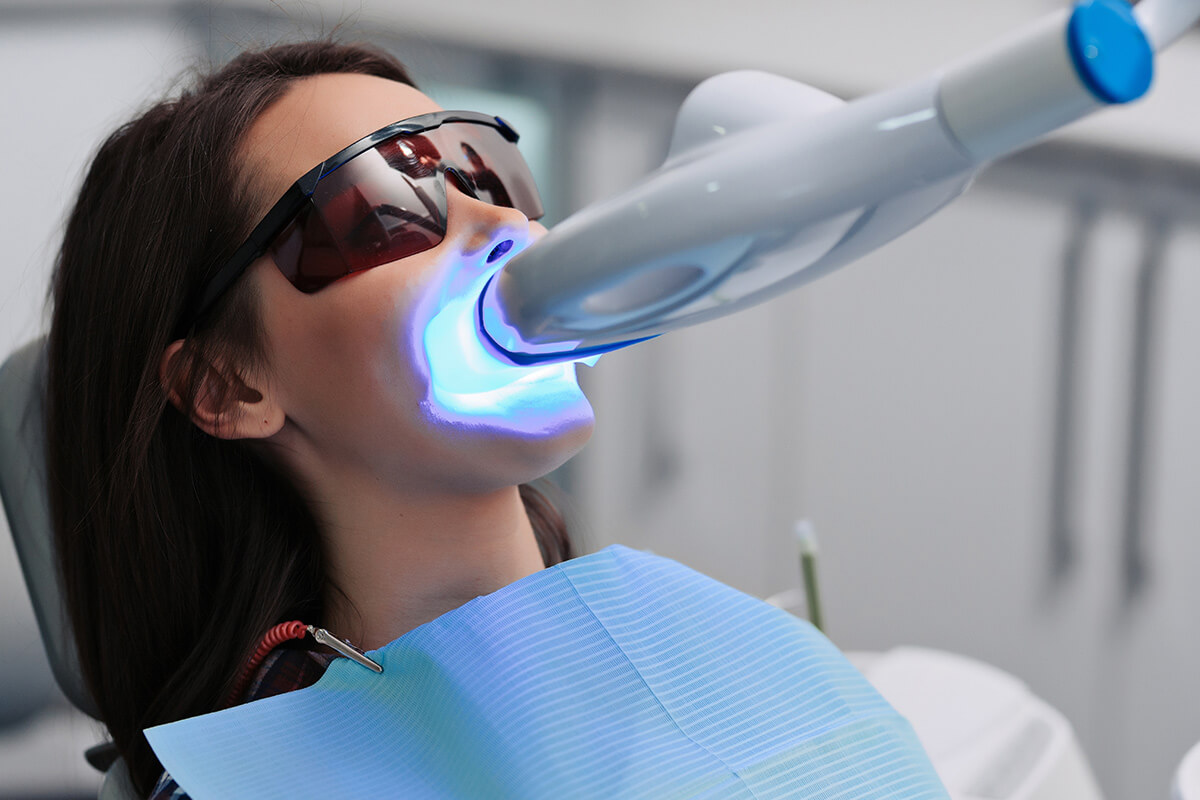
A bright, confident smile is a universal desire, and teeth whitening has become increasingly popular to achieve this goal. However, with this popularity comes a wave of misinformation and myths that can be confusing for those seeking a brighter smile. This article aims to debunk common teeth whitening myths and provide clarity based on factual information.
By understanding the truth behind teeth whitening, you can make informed decisions about the best methods for you and avoid potential pitfalls. Whether you’re considering over-the-counter products or professional treatments, this guide will equip you with the knowledge you need.
Let’s address some of the most common myths:
- Myth 1: All Teeth Whitening Products Are Created Equal
The belief that any whitening product will yield the same results is widespread. However, this is a common misconception. Over-the-counter (OTC) products often contain lower concentrations of whitening agents compared to professional options. A study published in the American Journal of Dentistry found that professional whitening treatments achieved significantly greater whitening compared to OTC products.
Professional whitening treatments offer stronger, faster, and more long-lasting results due to higher concentrations of whitening agents and customized application techniques. If you’re seeking dramatic results, consulting a dental professional is the best course of action.
- Myth 2: Teeth Whitening Damages Enamel
There’s a fear that teeth whitening erodes tooth enamel, the hard outer layer that protects your teeth. While some whitening agents can cause temporary sensitivity, professional treatments are designed to minimize enamel damage.
When administered by a qualified dental professional, teeth whitening is safe and effective. They use products with controlled concentrations and desensitizing agents to protect your enamel while brightening your smile. Additionally, professional treatments often include fluoride applications that strengthen enamel and reduce sensitivity.
- Myth 3: Home Remedies Like Baking Soda and Lemon Juice Are Safe and Effective
DIY teeth whitening remedies like baking soda and lemon juice have gained popularity, but their effectiveness and safety are questionable. These substances are abrasive and can erode enamel over time, leading to sensitivity and potential damage.
It’s best to avoid home remedies and opt for professional or reputable OTC products specifically formulated for teeth whitening. These are designed to be safe and effective when used as directed, and they often contain ingredients like potassium nitrate to help reduce sensitivity.
- Myth 4: Teeth Whitening Results Are Permanent
Many hope that teeth whitening offers a permanent solution for a brighter smile. Unfortunately, this isn’t the case. The longevity of results varies depending on individual factors like dietary habits, oral hygiene, and lifestyle choices.
While professional whitening can provide long-lasting results, maintenance is key. You may keep your smile brighter by avoiding foods and drinks that stain, maintaining proper oral hygiene, and getting touch-ups every now and then. Using a straw when drinking dark-coloured beverages and rinsing your mouth with water after consuming staining foods can also help.
- Myth 5: Whitening Toothpaste Is as Effective as Professional Whitening
Whitening toothpaste is marketed as a convenient way to brighten teeth, but it’s not as powerful as professional treatments. These toothpastes primarily remove surface stains and may not significantly alter the underlying tooth colour.
Whitening toothpaste can be a helpful addition to your oral care routine for maintaining a bright smile, but it won’t deliver the same dramatic results as professional whitening. Consider using whitening toothpaste as a complement to professional treatments or for maintaining results.
- Myth 6: Teeth Whitening Is Suitable for Everyone
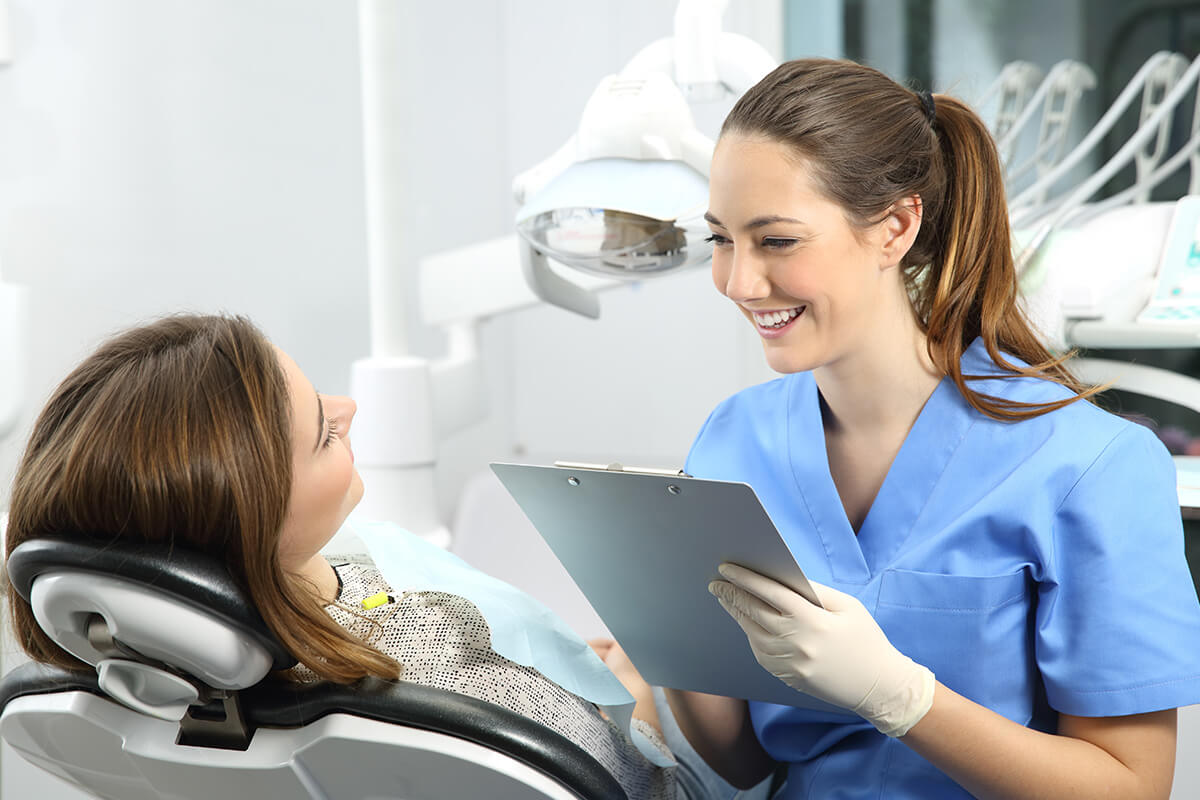
Not everyone is a good candidate for teeth whitening. Individuals with sensitive teeth, gum disease, or restorations like crowns and veneers might experience complications or unsatisfactory results.
Consult a dental professional to determine if teeth whitening is right for you. They can assess your oral health, discuss your goals, and recommend the most suitable treatment options. In some cases, alternative cosmetic procedures like veneers or bonding might be more appropriate for achieving your desired smile.
- Myth 7: Teeth Whitening Is Expensive
While professional teeth whitening can be an investment, it’s not necessarily out of reach. Many dental practices offer various whitening options to fit different budgets, and some dental insurance plans may cover a portion of the cost.
Discuss your budget and concerns with your dentist, and they can help you find an affordable solution that meets your needs and expectations. Consider exploring options like take-home whitening kits or financing plans to make professional whitening more accessible.
- Myth 8: Teeth Whitening Causes Long-Term Sensitivity
Some individuals experience temporary sensitivity during or after whitening treatments. However, this is usually mild and subsides within a few days. Professional treatments often include desensitizing agents to minimize discomfort.
If you’re concerned about sensitivity, discuss it with your dentist. They can recommend products and techniques to manage any discomfort and ensure a comfortable whitening experience. For example, using desensitizing toothpaste or fluoride rinses before and after treatment can help alleviate sensitivity.
- Myth 9: Natural Teeth Can’t Be Whitened Beyond a Certain Shade
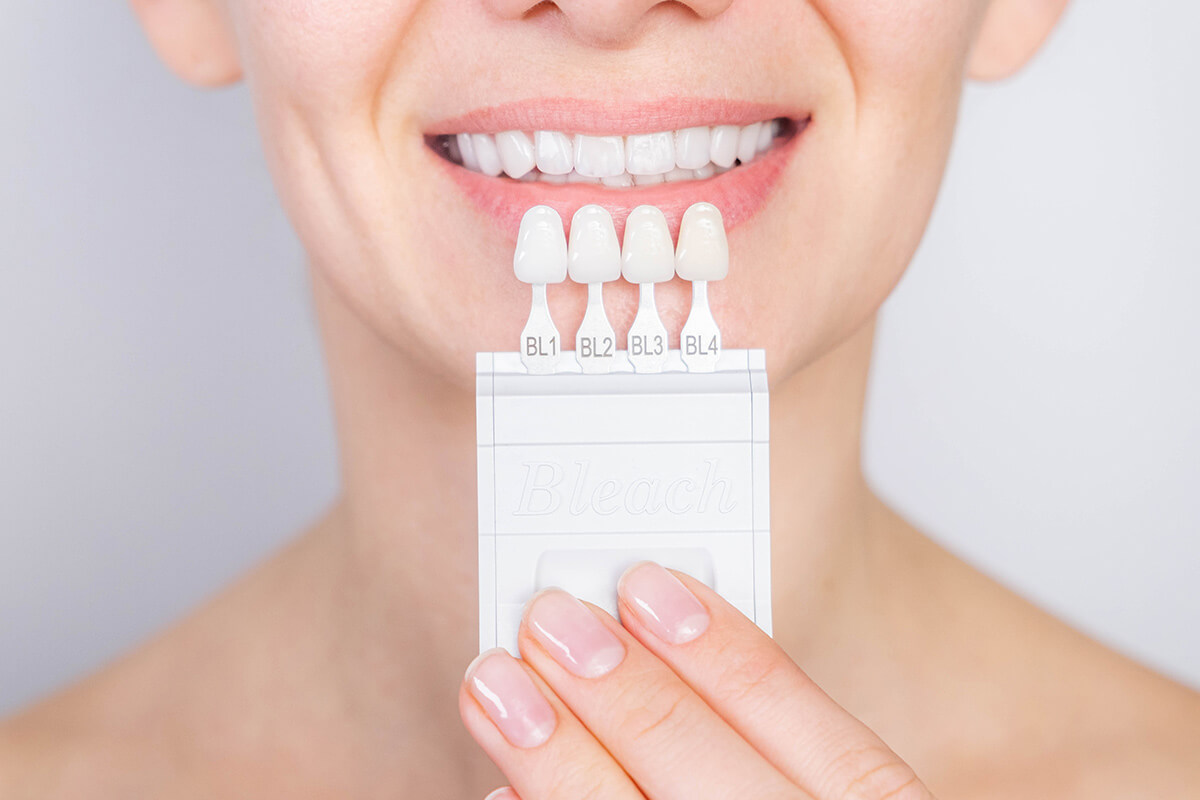
It’s a common belief that natural teeth have a limit to how white they can become. While genetics and individual tooth characteristics play a role, professional whitening treatments can often achieve significant brightening beyond what’s possible with OTC products.
Consulting a dental professional is the best way to determine the potential shade improvement for your teeth. They can assess your individual case and recommend the most appropriate treatment to achieve your desired results. In some cases, combining professional whitening with other cosmetic procedures might be necessary for optimal results.
- Myth 10: Charcoal Toothpaste Is a Safe and Effective Whitening Option
Charcoal toothpaste has gained popularity as a natural teeth whitening option, but its safety and efficacy are debated. Charcoal is abrasive and can potentially damage enamel over time.
It’s advisable to avoid charcoal toothpaste and opt for products with proven whitening agents like hydrogen peroxide or carbamide peroxide. These are safer and more effective for achieving and maintaining a brighter smile. Additionally, using a soft-bristled toothbrush and brushing gently can help prevent enamel erosion and protect your teeth.
By distinguishing between fact and fantasy, you can confidently pursue your goal of a brighter smile. Remember, consulting a dental professional like Bloor West Dentistry at (416) 763-1283 is crucial to determine the most suitable and safe whitening options for your individual needs.
With the right guidance and information, you can achieve a whiter, healthier smile that boosts your confidence and enhances your overall well-being. Don’t hesitate to seek professional advice and make informed decisions about your teeth whitening journey.