Losing baby teeth marks a significant developmental milestone. This natural process allows permanent teeth to emerge. Occasionally, a baby tooth requires extraction to facilitate proper alignment and oral health.
This guide provides a straightforward guide for children facing tooth extraction, aiming to explain the procedure and alleviate any anxieties. The goal is to offer a reassuring overview, emphasizing that tooth extraction is a routine procedure.
Why Do Baby Teeth Need to Be Extracted?
Several reasons may necessitate the extraction of a baby tooth. In some cases, the permanent tooth may be erupting in an incorrect position, hindering the natural shedding of the baby tooth.
- Persistent Baby Teeth
Sometimes, baby teeth do not fall out naturally when the permanent teeth are ready to erupt. This can lead to crowding and misalignment. The permanent tooth may erupt behind the baby tooth, causing a double row of teeth. This condition is often seen in the lower front teeth.
- Severe Decay
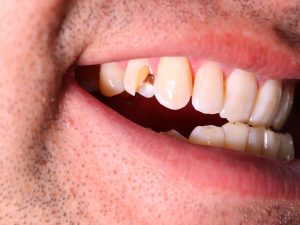
Extensive tooth decay can damage the pulp, the inner part of the tooth containing nerves and blood vessels. If left untreated, this can lead to infection and pain, requiring extraction. The Canadian Dental Association emphasizes the importance of early intervention in dental caries to prevent such complications.
- Infection
Infections around the tooth, such as abscesses, may necessitate extraction to prevent the spread of infection to other areas of the mouth or body.
- Trauma
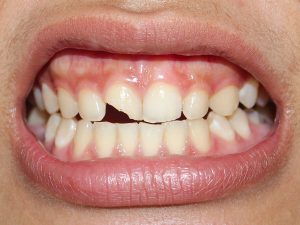
Accidental injuries can cause significant damage to a baby tooth, rendering it unrestorable. Extraction may be required to prevent further complications.
- Orthodontic Reasons
In some instances, extraction may be recommended by an orthodontist to create space for the proper alignment of permanent teeth. This is often part of a comprehensive orthodontic treatment plan.
- Supernumerary Teeth
Occasionally, extra teeth grow in the mouth. These extra teeth can prevent baby teeth from falling out, or permanent teeth from erupting.
- Ankylosed Teeth
This condition occurs when a baby tooth fuses to the bone, preventing it from shedding naturally.
What Happens Before the Extraction?

Prior to the extraction, a thorough examination is conducted. This process aims to assess the condition of the tooth and plan the procedure.
- Dental Examination
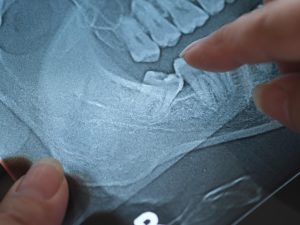
A dentist will examine the tooth and surrounding tissues. This involves visual inspection and may include taking x-rays. X-rays help to visualize the position of the tooth and the underlying permanent tooth.
- Medical History Review
The dentist will review the child’s medical history to identify any conditions that may affect the procedure or recovery.
- Anaesthesia Discussion
The dentist will discuss the anaesthesia options. Local anaesthesia is commonly used to numb the area around the tooth. In some cases, nitrous oxide (laughing gas) may be used to help the child relax.
- Explanation of the Procedure
The dentist will explain the extraction process to the child in a simple and reassuring manner. This helps to alleviate any anxieties.
- Parental Consent
Parents are given information about the procedure, and their consent is required before the extraction.
- Opportunity for Questions
The dentist will provide the opportunity for any questions to be answered.
The Extraction Process a Step-by-Step Guide
The extraction process involves several steps, each designed to ensure a comfortable and efficient procedure.
- Local Anaesthesia Administration
To make the area surrounding the tooth numb, the dentist will use local anaesthetic. This guarantees that the youngster will experience as little agony as possible throughout the extraction.
- Tooth Loosening
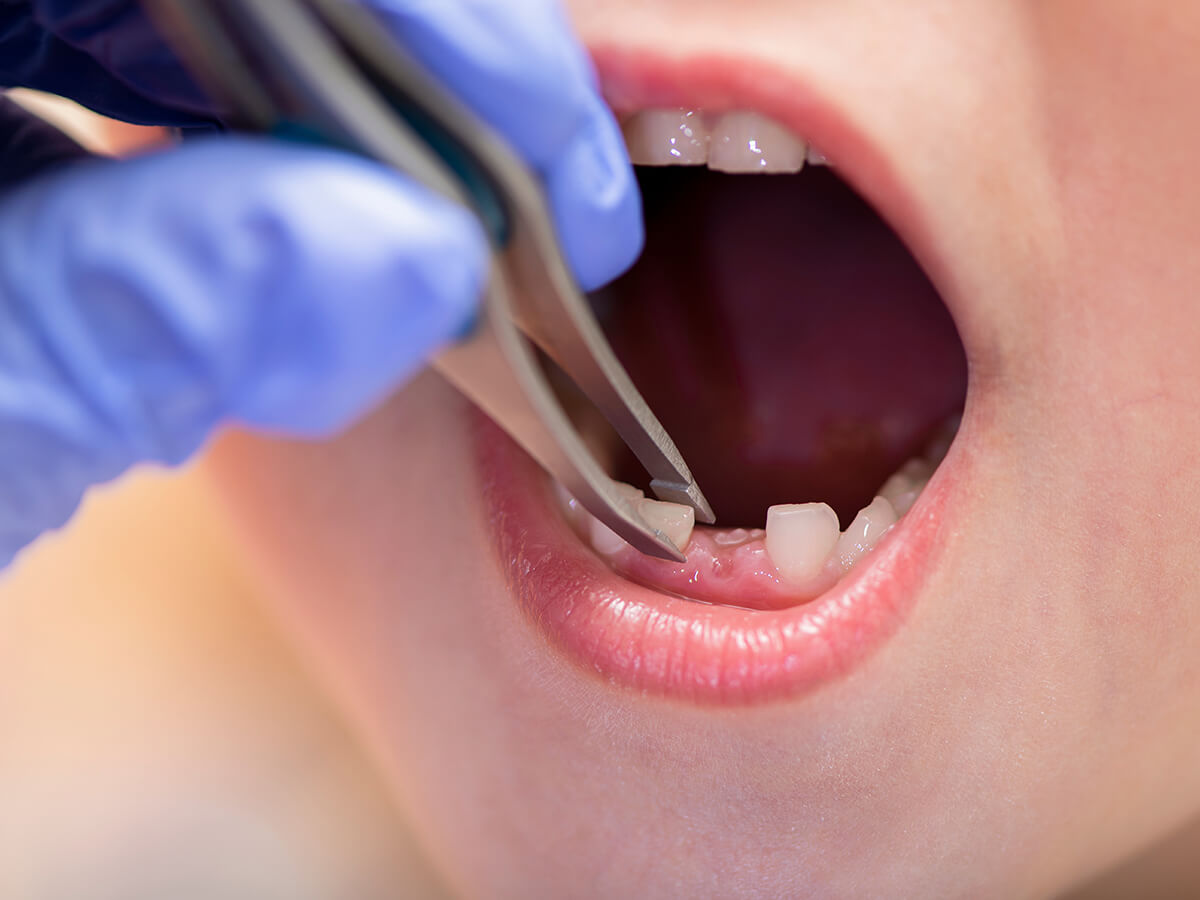
Using specialized instruments, the dentist will gently loosen the tooth from its socket. This process may involve applying slight pressure.
- Tooth Removal
Once the tooth is sufficiently loose, the dentist will carefully remove it from the socket.
- Socket Cleaning
The dentist will clean the socket to remove any debris and ensure proper healing.
- Gauze Placement
A piece of gauze will be placed over the extraction site to control bleeding.
- Post-Operative Instructions
The dentist will give post operative instructions to the child and parents.
- Follow up appointment
In some cases, a follow up appointment will be scheduled.
After the Extraction Taking Care of the Mouth

Proper post-extraction care is essential for promoting healing and preventing complications.
- Gauze Management
The child should bite down gently on the gauze for a specified period, usually 15-30 minutes, to control bleeding.
- Pain Management
Over-the-counter pain medication, such as paracetamol or ibuprofen, may be used to manage any discomfort. Always follow the dosage instructions.
- Dietary Restrictions
Avoid hot, hard, or chewy foods for the first few days. Stick to soft foods like yogurt, mashed potatoes, or soup.
- Oral Hygiene
During the first 24 hours, refrain from rinsing or spitting a lot. After a day, gently rinse with warm salt water.
- Rest
Avoid strenuous activities for the first few days to allow for proper healing.
- Monitoring for Complications
Watch for signs of infection, such as increased pain, swelling, or fever. Contact the dentist immediately if any concerns arise.
- Follow-up Care
Attend any scheduled follow-up appointments with the dentist to ensure proper healing.
Common Parents’ Questions and Concerns
Parents often have questions and concerns regarding their child’s tooth extraction. Addressing these concerns can help alleviate anxiety.
- Will it hurt?
Local anaesthesia ensures minimal discomfort during the procedure. Some soreness may be experienced afterwards, which can be managed with pain medication.
- How long will it take to heal?
Healing typically takes a few days to a week. The gums will gradually close over the extraction site.
- What if my child is scared?
Reassurance and a calm, positive approach can help alleviate anxiety. The dentist will also take steps to make the child feel comfortable.
- Can my child go to school the next day?
It is generally recommended that the child rest for the remainder of the day of the extraction. School attendance can usually resume the following day, depending on the child’s comfort level.
- What if the bleeding doesn’t stop?
Apply pressure with clean gauze for another 15-30 minutes. If the bleeding persists, contact the dentist.
- Will the permanent tooth come in straight?
In most cases, yes. The extraction of a baby tooth can create space for the permanent tooth to erupt properly.
- When can my child brush their teeth again?
Avoid brushing directly on the extraction site for the first 24 hours. After that, gentle brushing is recommended.
Tooth extraction is a common and routine procedure that plays a crucial role in maintaining proper oral health. By understanding the process and following post-extraction care instructions, children can experience a smooth and comfortable recovery. A positive approach and open communication with the dental team can help alleviate any anxieties associated with the procedure.
For further information regarding your child’s dental care or to schedule a consultation, please contact Bloor West Dentistry at (416) 763-1283.