Sports participation offers numerous health benefits. Dental injuries represent a significant concern for athletes across various disciplines. The Canadian Dental Association (CDA) emphasizes the prevalence of orofacial injuries in sports, noting they account for a notable percentage of all sports-related injuries. This blog aims to provide athletes, parents, coaches, and healthcare professionals with essential information regarding common dental injuries encountered in sports and evidence-based immediate response strategies. Understanding these injuries and appropriate actions can minimize long-term consequences and facilitate prompt dental care.
Common Types of Dental Injuries in Sports
Sports activities, ranging from high-impact contact sports to non-contact activities, carry a risk of dental trauma. These injuries can vary in severity and complexity, requiring different management approaches. Early recognition and appropriate initial response are crucial in preserving tooth vitality and minimizing complications.
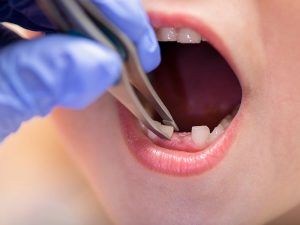
- Tooth Avulsion: Complete displacement of a tooth from its socket constitutes avulsion. This injury is particularly prevalent in sports with a high risk of facial impact, such as hockey, rugby, and basketball. Immediate replantation of the tooth, if handled correctly, offers the highest chance of survival.
- Tooth Intrusion: Intrusion involves the tooth being pushed into the alveolar bone. This type of injury can damage the periodontal ligament and pulp. Sports like soccer and martial arts, where falls or blows to the face are possible, can lead to intrusion.
- Tooth Extrusion: Extrusion refers to the partial displacement of the tooth out of its socket. The tooth may appear elongated and mobile. Sports involving collisions or direct facial trauma, such as skateboarding and cycling, can result in extrusion.
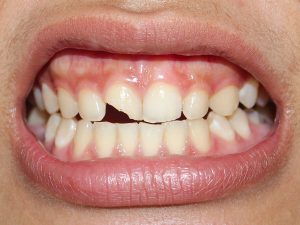
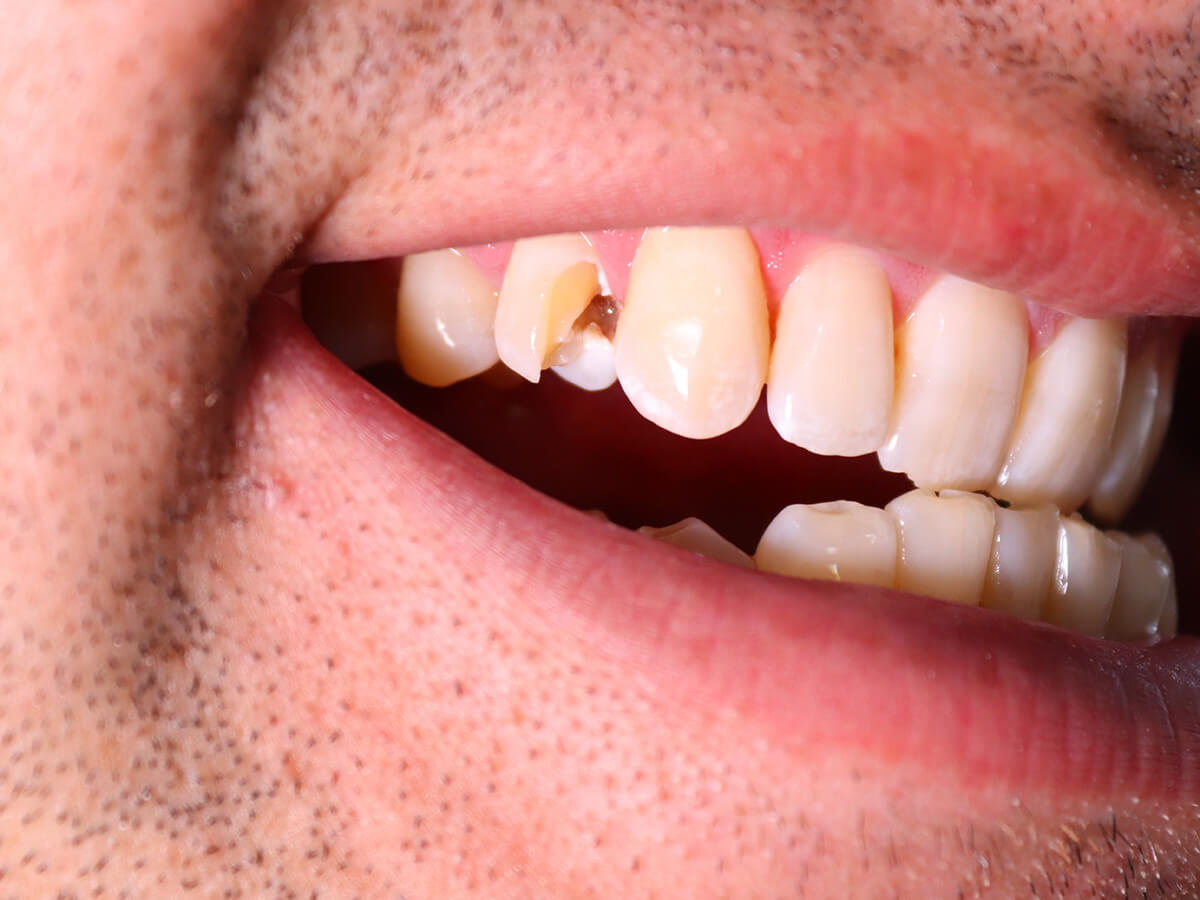
- Crown Fractures: These fractures involve damage to the enamel and dentin layers of the tooth. Crown fractures are common in sports where direct impact to the mouth is likely, including lacrosse and field hockey. The severity can range from minor chips to extensive fractures exposing the pulp.
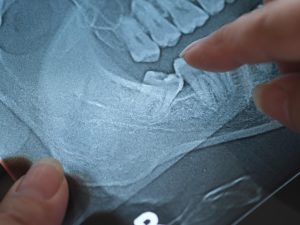
- Root Fractures: Fractures affecting the root of the tooth may not be immediately visible but can compromise the tooth’s long-term prognosis. Sports with significant force applied to the jaw, such as boxing and wrestling, can cause root fractures. Diagnosis often requires radiographic examination.
- Luxation Injuries: Luxation encompasses a range of injuries to the supporting structures of the tooth, including subluxation (loosening), lateral luxation (displacement to the side), and intrusive or extrusive luxation. These injuries are common in sports involving projectiles or physical contact, like baseball and softball.
- Soft Tissue Injuries: Injuries to the lips, gums, tongue, and cheeks frequently accompany dental trauma. Lacerations, abrasions, and contusions can occur from impacts with equipment, playing surfaces, or other players. While often less severe than tooth injuries, they require careful management to prevent infection and promote healing.
Immediate Actions for Common Dental Injuries
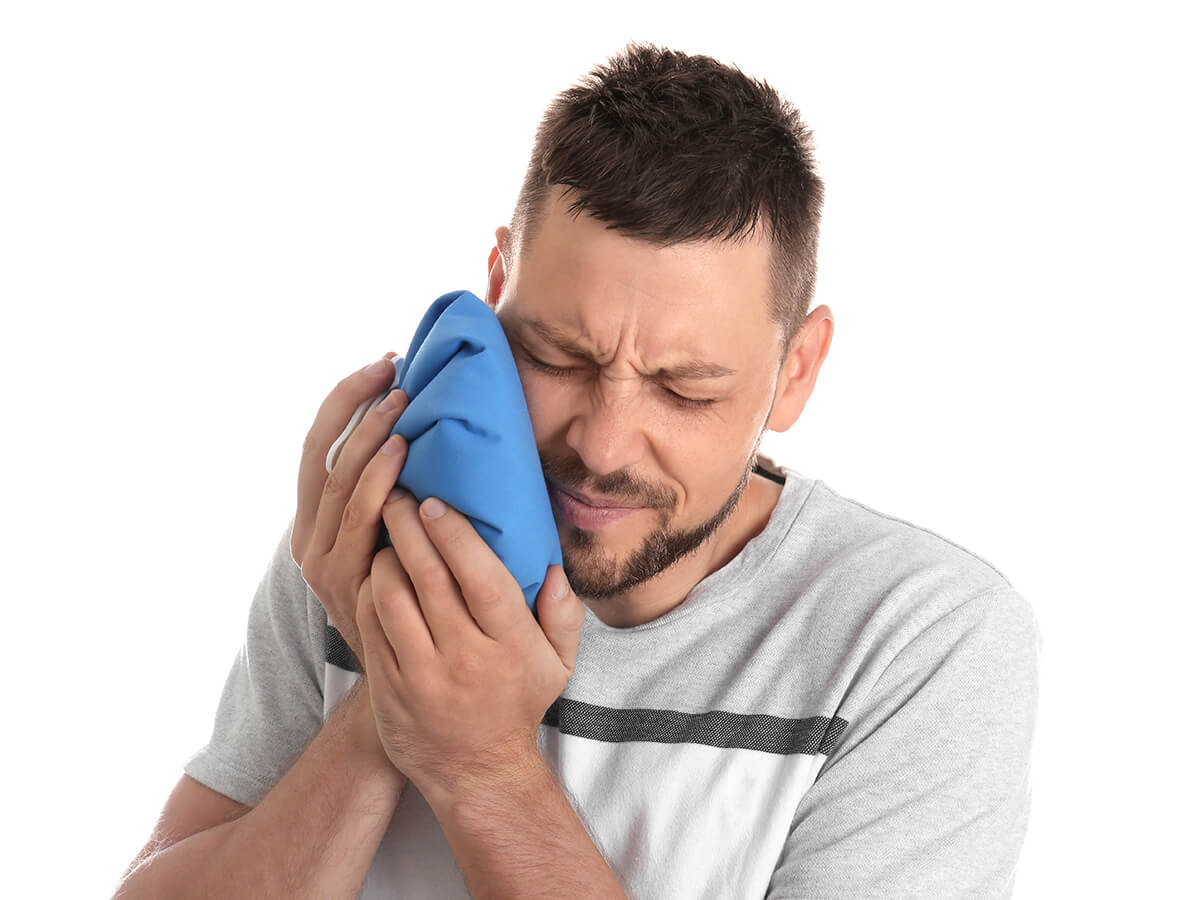
Prompt and appropriate action at the site of injury can significantly influence the outcome of dental trauma. Following established protocols can help preserve tooth viability and reduce the need for extensive future treatment.
- Tooth Avulsion Management: Locate the tooth immediately. Do not touch the root; instead, handle it by the crown. If it’s unclean, give it a quick 10-second rinse with milk or saline solution. Attempt to replant the tooth in its socket. If replantation is not possible, store the tooth in milk, saline solution, or saliva and seek immediate dental attention. The CDA provides guidelines on managing avulsed teeth, emphasizing the importance of timely replantation.
- Controlling Bleeding: For soft tissue injuries, apply gentle pressure with a clean cloth or gauze to control bleeding. If bleeding is excessive or does not stop after a reasonable time, seek medical attention.
- Pain Management: Pain can be managed with over-the-counter medications such acetaminophen or ibuprofen. Aspirin should not be applied directly to the gums as this may irritate them.
- Rinsing the Mouth: Gently rinse the mouth with water to remove debris. Avoid vigorous rinsing, especially if a tooth has been avulsed or luxated.
- Applying Cold Compress: Apply a cold compress to the outside of the cheek or lip near the injured area to reduce swelling.
- Stabilizing Mobile Teeth: If a tooth is loose or displaced, advise the athlete to avoid touching or wiggling it. Seek dental attention promptly to stabilize the tooth.
- Collecting Fractured Tooth Fragments: If a tooth is fractured, collect any fragments. A dentist may be able to bond these fragments back to the tooth. Store the fragments in milk or saline solution.
- Seeking Professional Dental Care: Regardless of the apparent severity of the injury, prompt consultation with a dentist is essential. A dentist can accurately assess the damage, provide appropriate treatment, and advise on follow-up care. Delays in treatment can compromise the prognosis of the injured tooth.
Prevention Tips for Dental Injuries in Sports
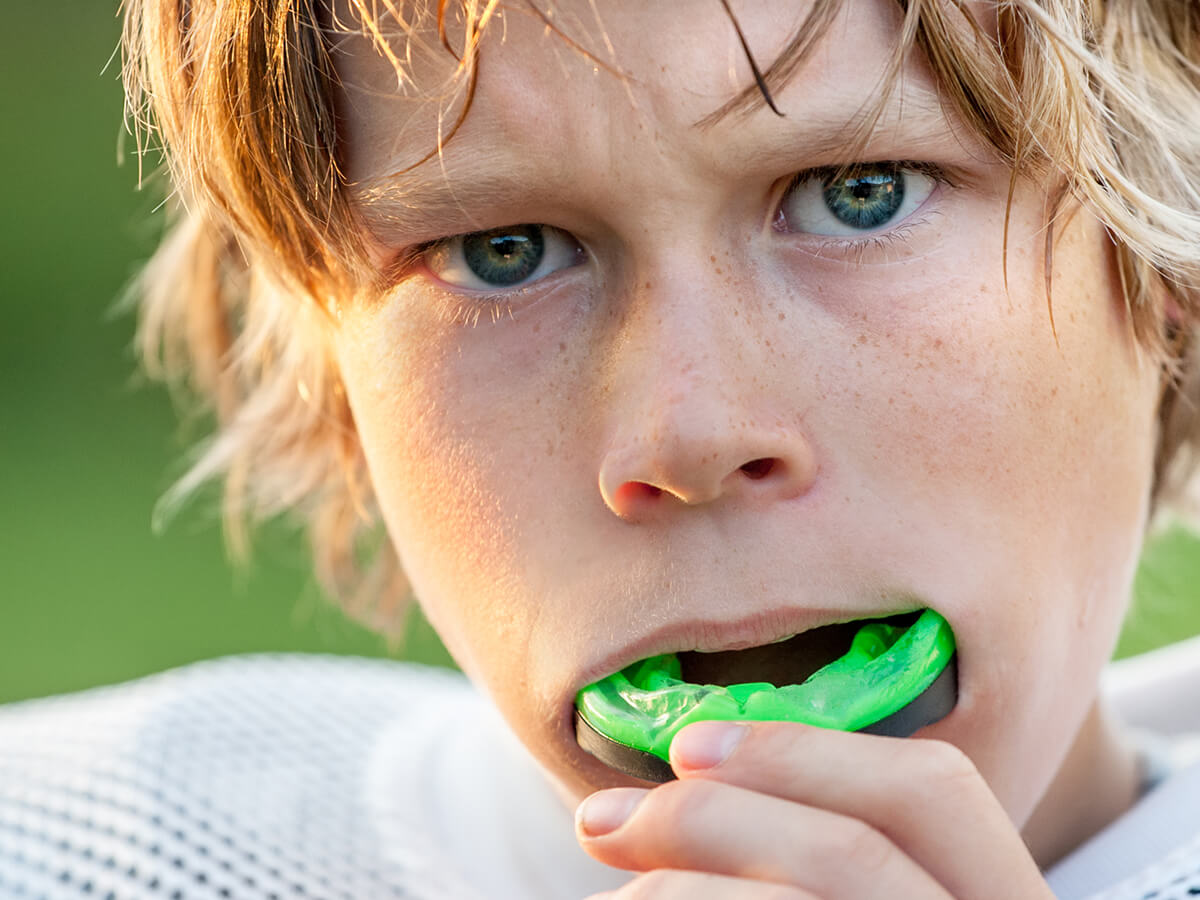
Preventing dental injuries is paramount. Implementing preventive measures can significantly reduce the incidence and severity of these injuries, allowing athletes to participate safely.
- Mouthguard Use: Wearing a properly fitted mouthguard is the most effective way to prevent sports-related dental injuries. Custom-fitted mouthguards, available through dentists, offer the highest level of protection compared to boil-and-bite or stock mouthguards. The CDA strongly recommends the use of mouthguards in sports with a risk of head or facial impact.
- Facial Protection: In sports with a high risk of facial injury, such as hockey, lacrosse, and baseball, wearing a full-face shield or helmet with a faceguard provides additional protection to the teeth and jaw.
- Rule Enforcement: Strict enforcement of rules against rough play and illegal contact can help reduce the risk of impact injuries. Coaches and officials play a crucial role in promoting safe play.
- Proper Equipment: Ensuring that sports equipment, such as helmets and padding, fits correctly and is in good condition can help absorb impact and protect the face and mouth.
- Awareness and Education: Educating athletes, parents, and coaches about the risks of dental injuries and the importance of preventive measures can foster a culture of safety.
- Pre-participation Dental Check-ups: Regular dental check-ups can identify pre-existing dental conditions that might increase the risk of injury or complicate treatment. Dentists can also provide advice on mouthguard selection and use.
- Avoiding Unnecessary Risks: Athletes should be encouraged to avoid unnecessary risks that could lead to facial or dental trauma. This includes being aware of their surroundings and practicing good sportsmanship.
Dental injuries are a significant concern in sports, potentially leading to long-term functional and aesthetic issues. Understanding the common types of injuries and the appropriate immediate responses is crucial for minimizing damage and ensuring timely professional care. Prevention remains the cornerstone of managing this risk, with properly fitted mouthguards playing a pivotal role. Adherence to safety protocols and regular dental check-ups further contribute to protecting athletes’ oral health. For comprehensive dental care and advice on sports-related dental injuries, contact Bloor West Dentistry at (416) 763-1283.