Maintaining dental health is essential for overall well-being. Regular dental visits help prevent oral issues and maintain a healthy smile. Many people are familiar with dental checkups, but there are different types of dental visits depending on your needs.
A routine checkup and a complete oral examination are two of the most common types of appointments, each serving a distinct purpose. Understanding the differences between these two types of visits can help you make informed decisions about your oral care.
Routine Checkup
A routine checkup is a preventive dental appointment designed to maintain your oral health and detect potential issues before they become severe. Dentists recommend routine checkups to monitor the condition of your teeth, gums, and overall oral health. These visits are typically shorter than a complete oral examination and focus on identifying minor concerns.
Routine checkups are primarily preventive, aiming to maintain healthy teeth and gums between more comprehensive exams.
Frequency
Routine checkups are generally recommended every six months for most patients. However, some individuals may require more frequent visits depending on their dental history, the presence of ongoing conditions, or other risk factors. The Canadian Dental Association (CDA) suggests that regular visits to the dentist can help identify problems early, reducing the risk of complex and costly treatments later.
Procedures
A routine checkup usually includes the following procedures:
- Visual Examination: The dentist inspects your teeth, gums, and mouth for signs of cavities, gum disease, and other oral health issues.
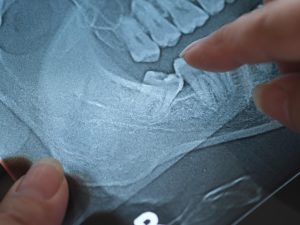
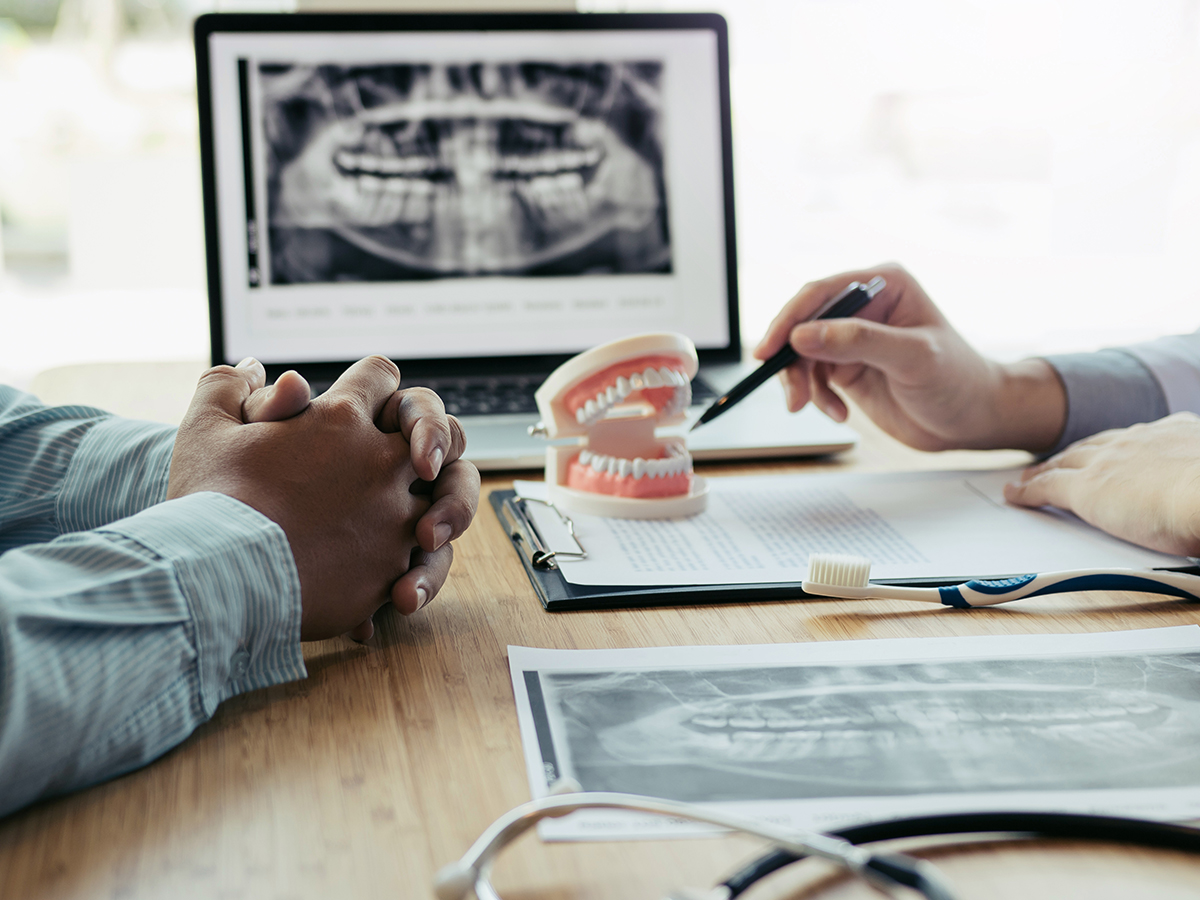
- Dental X-rays (if necessary): X-rays may be taken to check for hidden issues such as cavities between teeth, bone loss, or infections.
- Plaque and Tartar Removal: A dental hygienist typically cleans your teeth by removing plaque and tartar, particularly in hard-to-reach areas.
- Gum Health Assessment: The dentist or hygienist checks for signs of gum disease, such as inflammation or recession.
- Polishing: Your teeth are polished to remove surface stains and smooth out the tooth surface.
- Fluoride Treatment (optional): A fluoride application may be provided to help strengthen tooth enamel and prevent decay.
- Oral Hygiene Recommendations: The dentist will provide guidance on brushing and flossing techniques or recommend products to improve oral care at home.
Complete Oral Examination
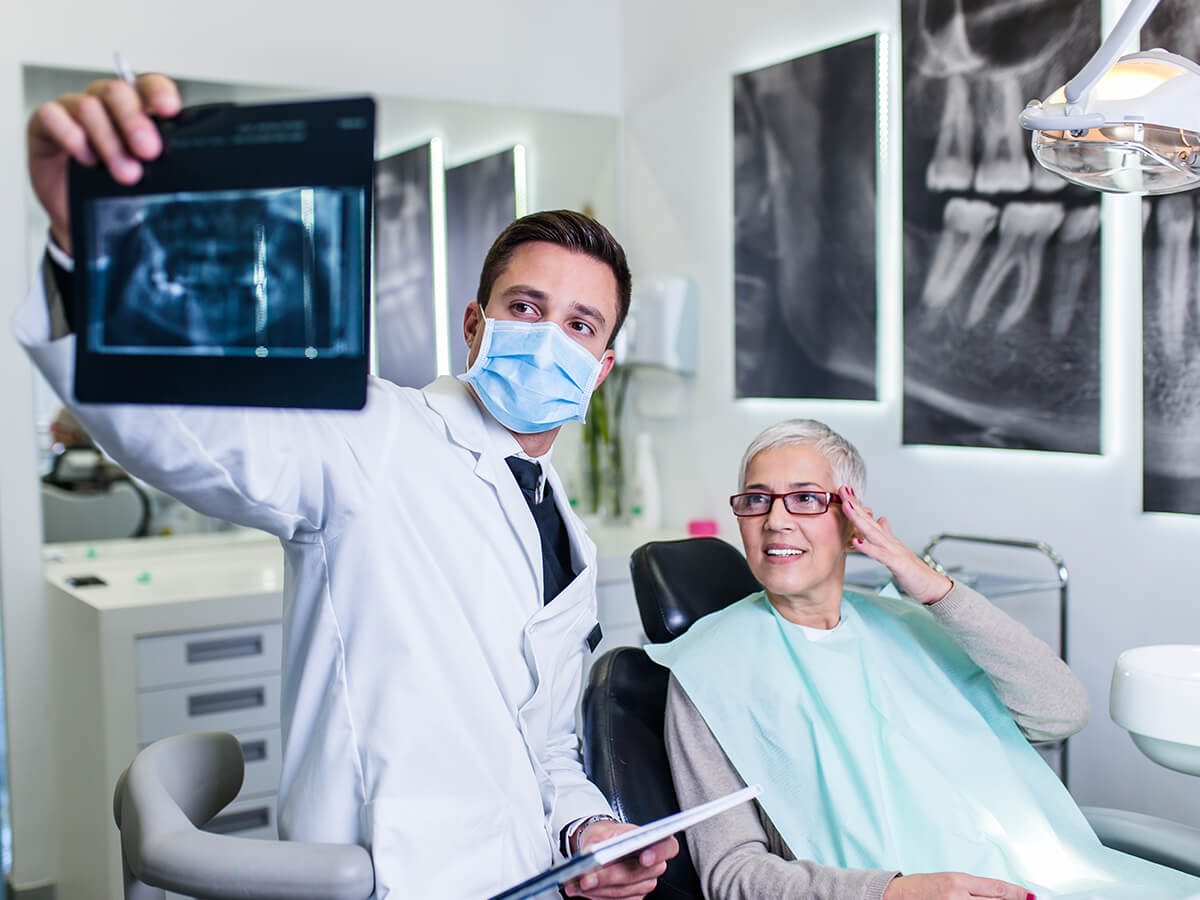
A complete oral examination is a comprehensive assessment of your entire mouth, often performed during your first visit to a new dentist or when significant changes in your oral health are suspected. This thorough evaluation provides a baseline for your oral health and helps detect potential issues that may require immediate attention.
A complete oral examination is a more in-depth procedure compared to a routine checkup, focusing on a wide range of potential dental and oral health concerns.
Frequency
A complete oral examination is generally recommended every 3 to 5 years, or when switching dental providers. It may also be suggested if you have not had a dental checkup for an extended period or if you are at higher risk for dental problems, such as a history of gum disease or oral cancer. The Canadian Dental Association states that early detection through comprehensive exams can reduce long-term health risks and improve outcomes.
Procedures
The procedures involved in a complete oral examination include:
- Medical and Dental History Review: Your dentist will review your overall medical and dental history, discussing any medications, surgeries, or conditions that may impact your oral health.
- Full Oral Examination: A thorough assessment of your teeth, gums, tongue, cheeks, and other oral tissues is performed, identifying any abnormalities or potential concerns.
- X-rays and Imaging: Comprehensive X-rays and imaging are often taken to gain a full picture of your jaw, tooth roots, and bone structure. This helps in diagnosing issues such as bone loss, impacted teeth, and tumours.
- Periodontal Examination: A detailed examination of your gums and the supporting structures of your teeth is conducted, checking for signs of periodontal disease.
- Bite and Jaw Assessment: The alignment of your teeth and how they fit together (occlusion) is evaluated. The dentist will also check for any issues with your temporomandibular joint (TMJ), which can cause pain or discomfort.
- Oral Cancer Screening: The dentist examines your mouth for any signs of oral cancer, including unusual sores, lumps, or discolourations.
- Risk Assessment and Treatment Plan: After the examination, the dentist provides a complete risk assessment and may recommend a long-term treatment plan to address any identified issues.
Key Differences
- Purpose: A routine checkup is preventive, focusing on maintaining oral health, while a complete oral examination is diagnostic, aiming to assess overall dental and oral health comprehensively.
- Frequency: Routine checkups are typically scheduled every six months, while complete oral examinations are performed less frequently, generally every 3 to 5 years or as needed.
- Duration: Routine checkups tend to be shorter, often taking around 30 to 45 minutes. Complete oral examinations are longer, potentially lasting over an hour due to the detailed assessments and imaging involved.
- Scope: A routine checkup focuses on current issues and cleaning, while a complete oral examination assesses the mouth, jaw, and overall oral health, including cancer screenings.
- Imaging: X-rays during a routine checkup are usually limited to specific areas of concern. In a complete oral examination, more comprehensive imaging is used to assess bone structure and detect hidden issues.
- Cost: A complete oral examination may involve higher costs due to the comprehensive nature of the visit, including additional tests and imaging.
- Use of History: A complete oral examination involves a detailed review of your medical and dental history, while a routine checkup typically focuses on current conditions.
When to Choose Which
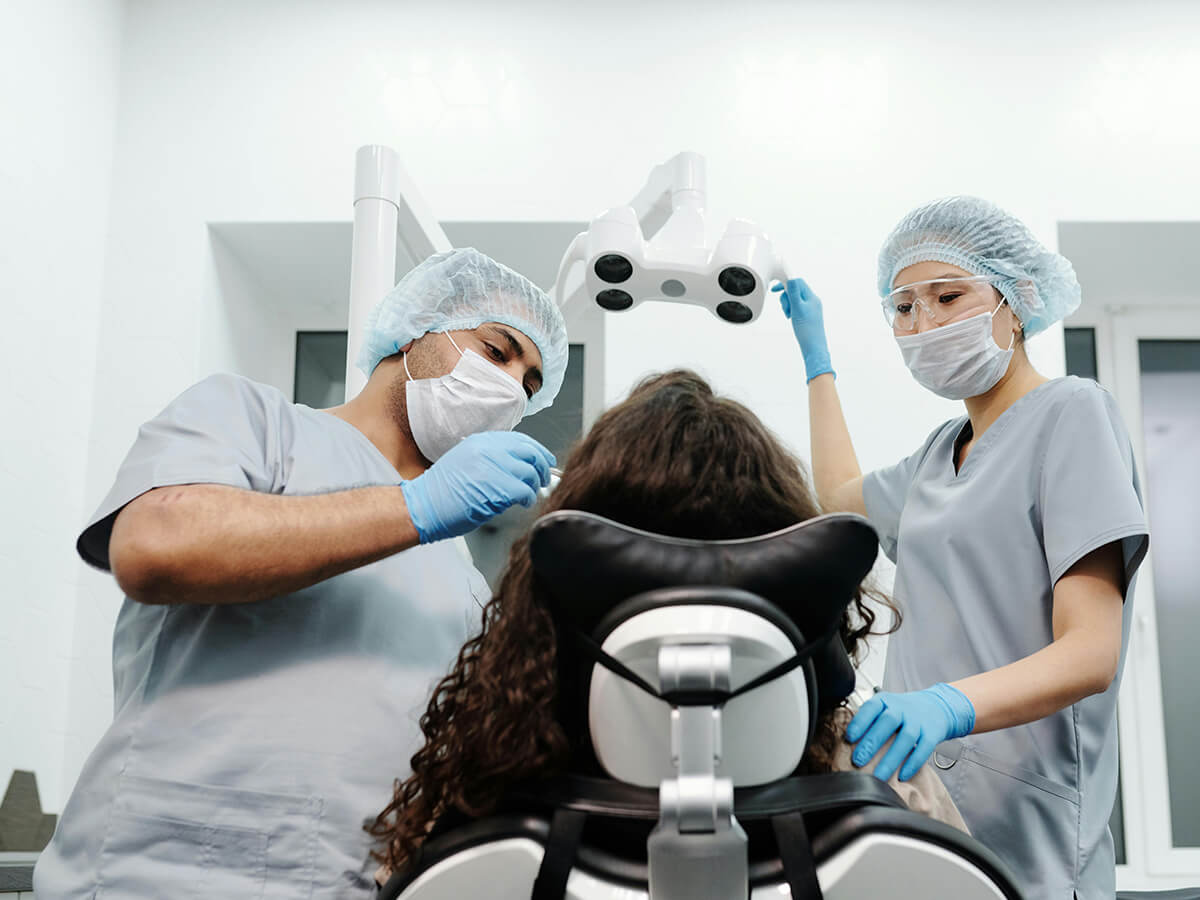
Choosing between a routine checkup and a complete oral examination depends on your current oral health needs. Below are scenarios for each type of visit:
- Routine Checkup: Choose a routine checkup if you:
- Are following a standard preventive care routine.
- Do not have any specific complaints or symptoms.
- Have visited your dentist within the past six months.
- Are looking for a simple cleaning and oral health maintenance.
- Want to stay on top of plaque control and cavity prevention.
- Complete Oral Examination: Choose a complete oral examination if you:
- Are visiting a new dentist for the first time.
- Haven’t had a dental checkup in several years.
- Are experiencing new or unusual symptoms, such as jaw pain or bleeding gums.
- Have a family history of oral cancer or periodontal disease.
- Have significant dental work or oral health concerns that need a detailed evaluation.
Dental visits play an essential role in maintaining oral health, with routine checkups and complete oral examinations serving different purposes. While routine checkups help in keeping teeth and gums healthy on a regular basis, a complete oral examination provides a deeper, comprehensive understanding of your oral health. Both are necessary to ensure early detection and effective treatment of dental issues.
For a routine checkup or complete oral examination, contact Bloor West Dentistry at (416) 763-1283.