Wisdom teeth, the final set of molars, often emerge in late adolescence or early adulthood. While some individuals experience seamless eruption, many encounter complications necessitating removal. Common reasons for extraction include impaction, overcrowding, pain, and infection. This procedure is routine, and this guide provides a detailed walkthrough of the process and subsequent recovery.
What are Wisdom Teeth?
The third molars, or wisdom teeth, are situated behind the second molars in the back of the mouth. They usually come out between the ages of 17 and 25. Sometimes there may not be enough room in the jaw to adequately fit these teeth. This space constraint may result in a number of issues that call for action.
Common Problems Associated with Wisdom Teeth
Often, wisdom teeth do not erupt fully or correctly, leading to a range of dental issues. Early identification and management of these problems can prevent more serious complications.
- Impaction
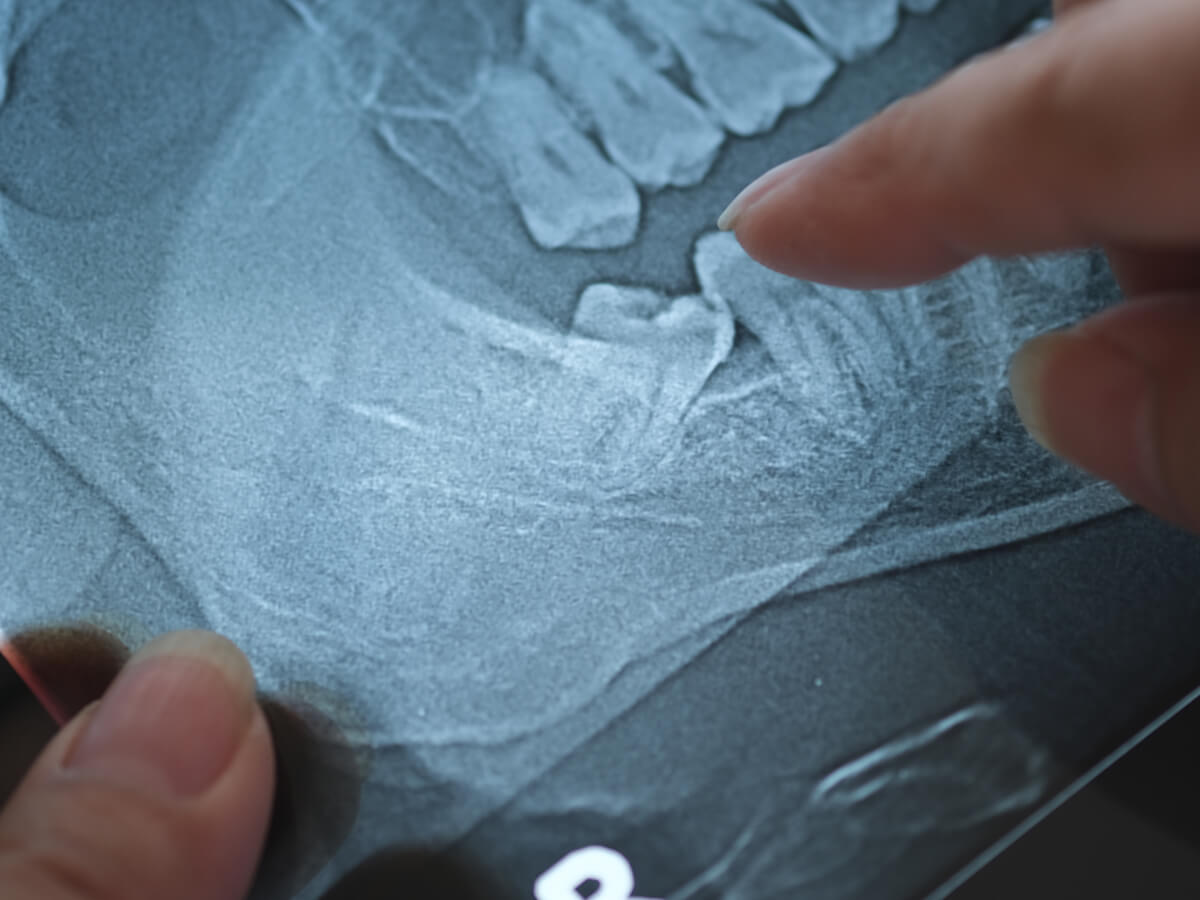
Impaction occurs when a wisdom tooth is blocked from fully emerging through the gum line. This blockage can be caused by other teeth, bone, or soft tissue. Impacted teeth can be positioned at various angles, including horizontally, vertically, or angled towards or away from the adjacent second molar. The Canadian Dental Association notes that impaction is a frequent reason for wisdom tooth extraction, affecting a significant portion of the population.
- Overcrowding
When the jaw lacks adequate space, the erupting wisdom teeth can push against existing molars, causing overcrowding. This pressure can shift other teeth out of alignment, potentially affecting bite and necessitating orthodontic treatment. Overcrowding can also make cleaning difficult, increasing the risk of cavities and gum disease in the affected area.
- Pain and Discomfort
Partially erupted or impacted wisdom teeth can cause significant pain and discomfort. This pain can be intermittent or constant and may radiate to the jaw, ear, or throat. Inflammation of the gum tissue surrounding a partially erupted wisdom tooth, known as pericoronitis, is a common source of pain.
- Infection
Partially erupted wisdom teeth create a flap of gum tissue that can trap food particles and bacteria. This can lead to infection, characterized by pain, swelling, redness, and sometimes a bad taste or odour. Untreated infections can spread to surrounding tissues and, in rare cases, cause more serious health problems. The Canadian Dental Association highlights the importance of addressing dental infections promptly to prevent complications.
- Damage to Adjacent Teeth
Impacted wisdom teeth can exert pressure on the roots of the adjacent second molars. This pressure can cause resorption, a process where the root of the neighbouring tooth is gradually dissolved. Damage to the second molar may necessitate its own treatment or even extraction.
When is Extraction Necessary?
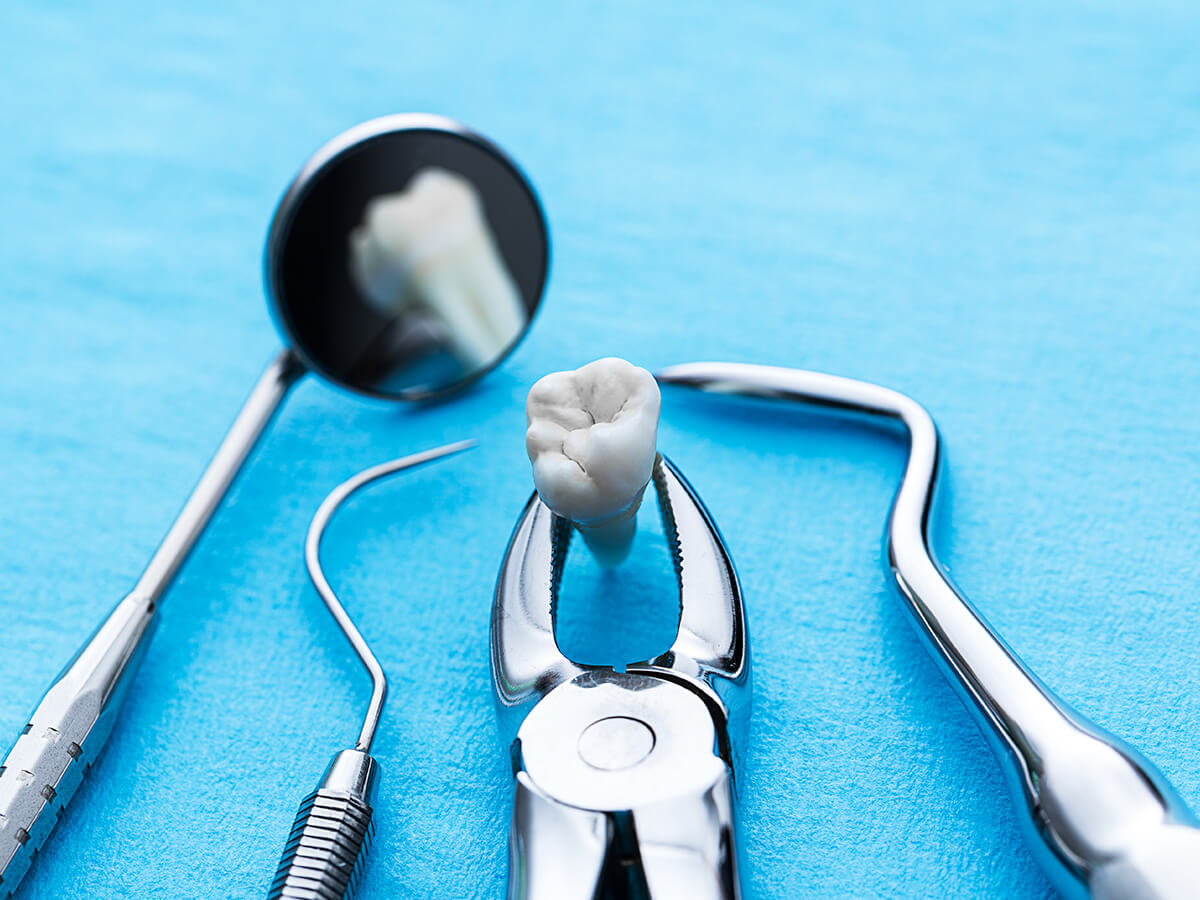
The decision to extract wisdom teeth is typically based on the presence or potential for problems. A dental professional will assess the position of the wisdom teeth through clinical examination and radiographs to determine the appropriate course of action.
- Preventing Future Problems
Even if wisdom teeth are not currently causing problems, extraction may be recommended to prevent future complications. Prophylactic removal is a common approach, particularly when there is evidence of potential impaction or overcrowding that could lead to issues later in life.
- Symptomatic Wisdom Teeth
Extraction is often necessary when wisdom teeth are causing symptoms such as pain, swelling, infection, or damage to adjacent teeth. Addressing these symptoms promptly can alleviate discomfort and prevent further complications.
- Orthodontic Considerations
In some cases, orthodontists may recommend wisdom tooth extraction as part of an overall orthodontic treatment plan. Removing wisdom teeth can create space to facilitate tooth movement and improve alignment.
- Pericoronitis Management
Recurrent episodes of pericoronitis, the inflammation of the gum tissue around a partially erupted wisdom tooth, are a strong indication for extraction. Removing the wisdom tooth eliminates the problematic gum flap and prevents future infections.
- Significant Impaction
Severely impacted wisdom teeth, particularly those positioned horizontally or at unusual angles, are often extracted to prevent potential complications such as pain, infection, and damage to adjacent teeth.
Preparing for Your Wisdom Tooth Extraction
Proper preparation can help ensure a smooth procedure and recovery. Your dental professional will provide specific instructions tailored to your individual needs.
- Consultation and Evaluation
The first step is a thorough consultation with your dentist or oral surgeon. This involves a clinical examination, radiographs (such as panoramic X-rays), and a review of your medical history. This evaluation helps determine the position of your wisdom teeth and identify any potential complications.
- Discussing Anaesthesia Options
Various anaesthesia options are available, ranging from local anaesthesia to sedation or general anaesthesia. Your dental professional will discuss these options with you, considering the complexity of the extraction and your comfort level. Local anaesthesia numbs the area around the teeth, while sedation helps you relax. General anaesthesia induces a state of unconsciousness.
- Providing Medical History
It is crucial to inform your dental professional about any medical conditions you have, including allergies, medications you are taking (prescription and over-the-counter), and any history of bleeding disorders. This information helps them plan the procedure safely and effectively.
- Following Pre-Operative Instructions
Your dental professional will provide specific instructions to follow before the surgery. These may include avoiding eating or drinking for a certain period if sedation or general anaesthesia is planned. You may also be advised to avoid smoking, as it can impair healing.
The Wisdom Tooth Extraction Procedure: What to Expect
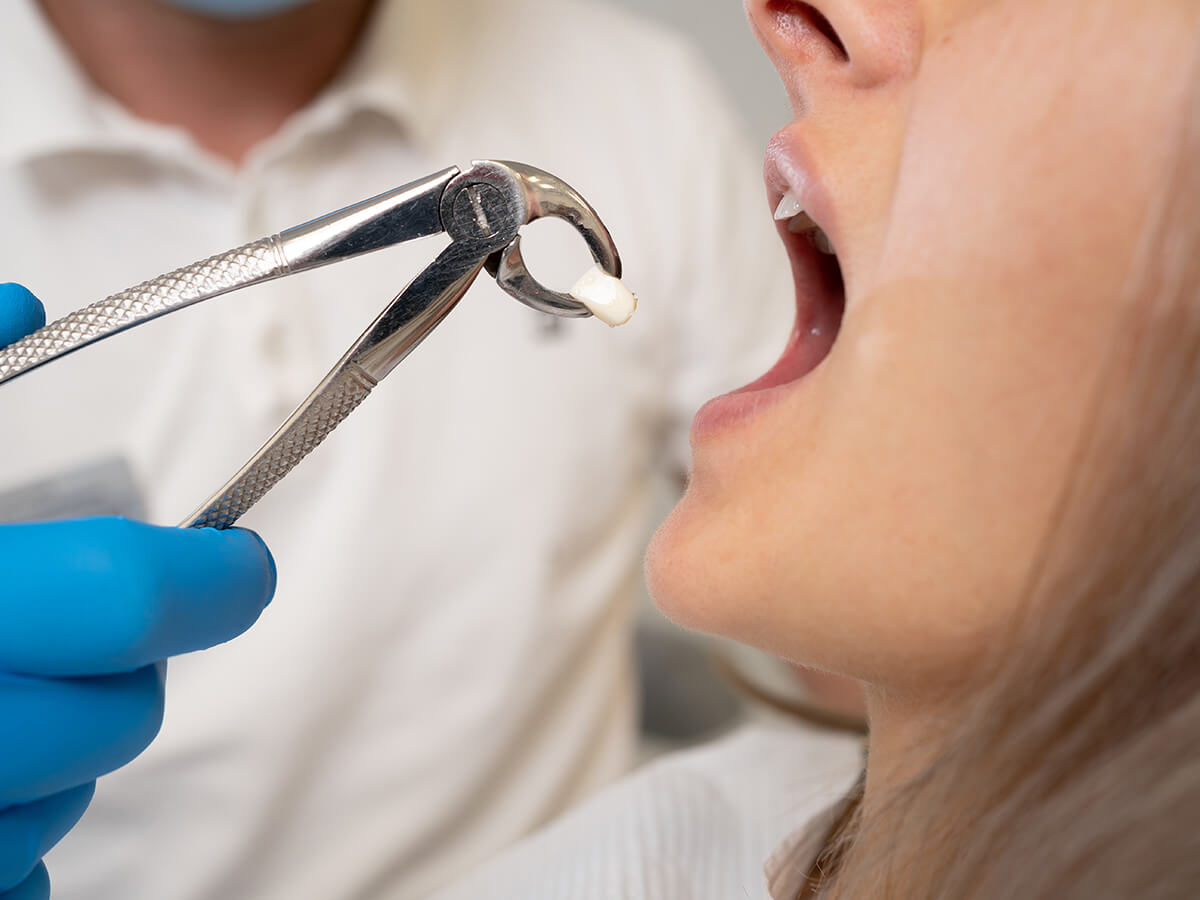
The extraction procedure typically takes between 30 minutes to an hour, depending on the complexity of the case. Your dental professional will prioritize your comfort throughout the process.
- Administration of Anaesthesia
The first step is the administration of anaesthesia. This ensures you are comfortable and pain-free during the extraction. The type of anaesthesia used will depend on the agreed-upon plan.
- Gum Tissue Manipulation
Once the anaesthesia has taken effect, your dental professional will gently manipulate the gum tissue around the wisdom tooth to access it. This may involve making a small incision in the gum.
- Tooth Removal
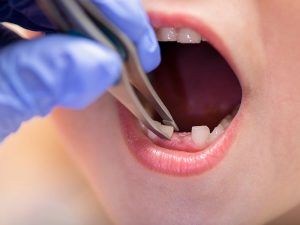
The wisdom tooth is then carefully loosened and removed. In some cases, the tooth may need to be sectioned into smaller pieces to facilitate easier2 removal, particularly if it is impacted.
- Socket Cleaning
After the tooth is removed, the socket is thoroughly cleaned to remove any debris or bone fragments. This helps prevent infection and promotes healing. In some cases, the gum tissue may need to be stitched back together with dissolvable or non-dissolvable sutures. Sutures help control bleeding and promote proper healing of the gum tissue.
- Post-Operative Instructions
Before you leave, your dental professional will provide you with detailed post-operative instructions. These instructions are crucial for a smooth and successful recovery.
Recovering After Your Wisdom Tooth Extraction
Proper aftercare is essential for minimizing discomfort and preventing complications following wisdom tooth extraction. Adhering to your dental professional’s instructions is paramount.
- Controlling Bleeding
Some bleeding is normal after the extraction. Your dental professional will likely place gauze over the extraction site and instruct you to bite down firmly for a specified period, typically 30 to 45 minutes. Replace the gauze as needed until the bleeding subsides. Avoid spitting or rinsing vigorously, as this can dislodge the blood clot.
- Managing Swelling
Swelling is common after wisdom tooth extraction and usually peaks within 24 to 48 hours. Applying ice packs to the outside of your cheek in 15-minute intervals can help reduce swelling. Keeping your head elevated while resting can also minimize swelling.
- Pain Management
Your dentist may recommend over-the-counter pain medications like acetaminophen or ibuprofen or prescribe pain medication. To control pain and discomfort, take medications as prescribed.
- Dietary Adjustments
For the first few days after your extraction, stick to a diet of soft foods that require minimal chewing. Examples include soup (lukewarm), yogurt, smoothies, mashed potatoes, and applesauce. Avoid hard, crunchy, or chewy foods that could irritate the extraction site. Reintroduce solid foods gradually as you feel more at ease.
- Oral Hygiene
For the first few days, refrain from brushing directly over the extraction site, even if maintaining good oral hygiene is crucial. Beginning 24 hours after the extraction, you can rinse your mouth many times a day with a mild solution of warm salt water (1/2 teaspoon salt in a cup of warm water). This encourages healing and keeps the area tidy. Alcohol-containing mouthwash should be avoided since it can irritate the healing tissue.
Managing Pain and Discomfort
Pain is a common experience after wisdom tooth extraction, but there are several strategies to manage it effectively. Communication with your dental professional is key to ensuring your comfort.
- Following Medication Instructions
Take pain medication as prescribed or recommended by your dental professional. Do not exceed the recommended dosage. If your pain is not adequately controlled, contact your dental professional.
- Using Ice Packs
Applying ice packs to your face can help numb the area and reduce swelling, which can contribute to pain. Use ice packs for 15-minute intervals several times a day, especially during the first 48 hours.
- Warm Saltwater Rinses
Gentle rinsing with warm salt water can help soothe the extraction site and reduce inflammation. Start rinsing 24 hours after the procedure, several times a day, particularly after meals.
- Soft Food Diet
Sticking to a soft food diet minimizes the need for chewing, reducing irritation and discomfort at the extraction site. Avoid foods that are hot, spicy, or acidic, as they can exacerbate pain.
- Avoiding Smoking and Alcohol
Smoking can significantly delay healing and increase the risk of complications, such as dry socket. Alcohol can also interfere with healing and should be avoided.
- Elevating Your Head
Keeping your head elevated, especially while sleeping, can help reduce swelling and associated pain. Use extra pillows to prop yourself up.
Wisdom tooth extraction is a common and generally safe procedure performed to address or prevent dental problems associated with these final molars. Understanding the process and adhering to post-operative instructions are crucial for a successful recovery. If you are experiencing issues with your wisdom teeth or have been advised to have them removed, consulting with a dental professional is the first step towards ensuring your oral health. For professional advice and care regarding wisdom tooth extraction, contact Bloor West Dentistry at (416) 763-1283.