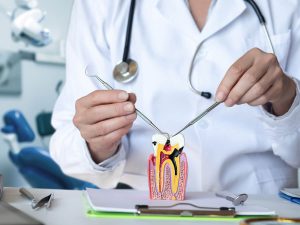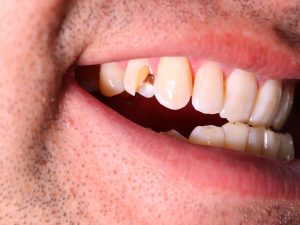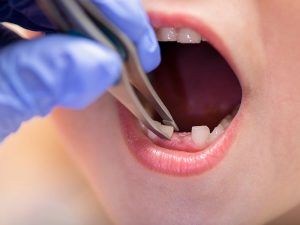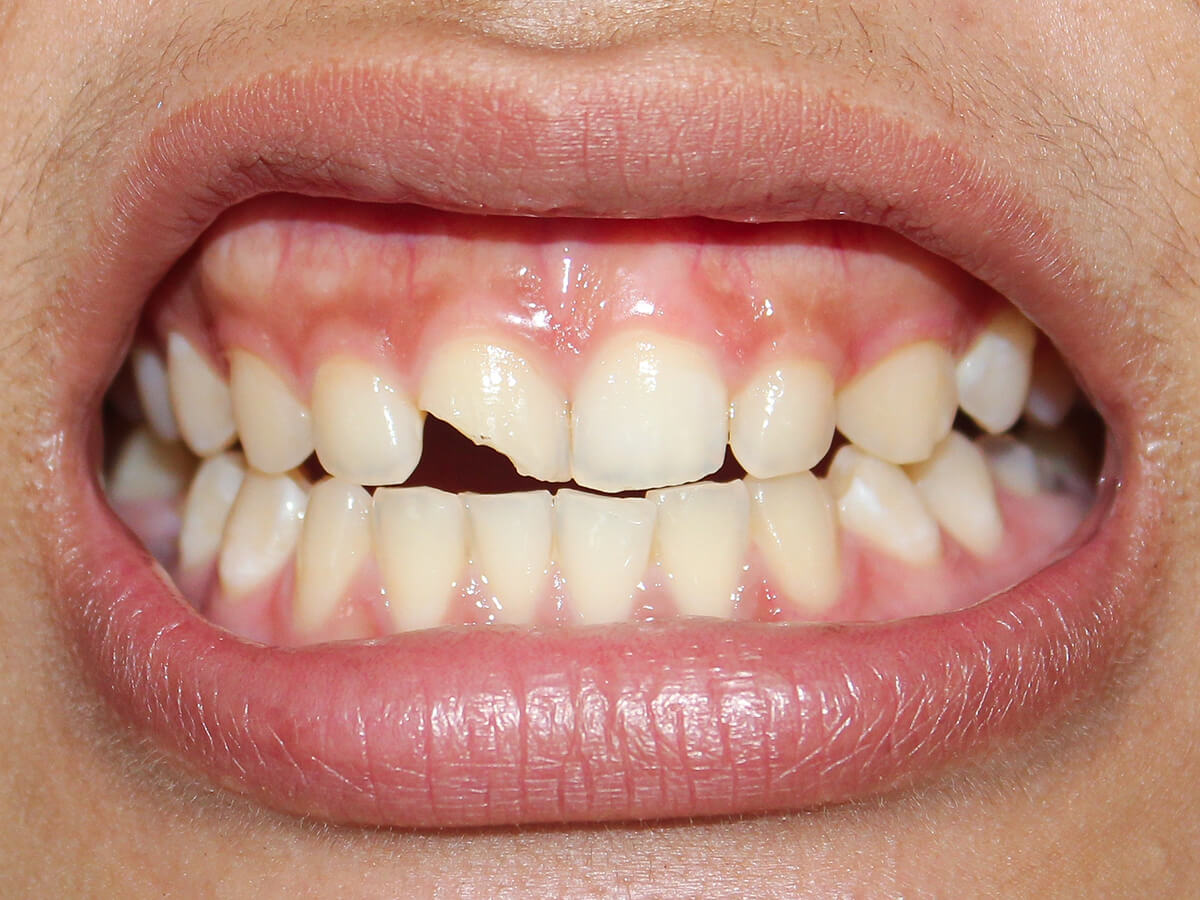
A chipped tooth, a common dental injury, involves the fracturing or breaking of a tooth’s enamel. This can occur due to various incidents such as accidental falls, sports injuries, or biting down on hard substances. Prompt action following a chipped tooth is crucial to mitigate further damage, alleviate pain, and improve the chances of successful repair. This article outlines essential first aid measures to take when a tooth is chipped.
Assess the Situation
A chipped tooth necessitates a calm and methodical approach. Initial assessment of the injury and surrounding area is paramount.
- Check for Bleeding: Examine the mouth for any active bleeding from the gums or soft tissues. Minor chips may not involve bleeding, but larger fractures could damage blood vessels. If bleeding is present, apply gentle pressure with a clean gauze pad. According to the Canadian Dental Association (CDA), oral injuries can present with varying degrees of bleeding, requiring careful evaluation.
- Evaluate Pain Level: Determine the extent of pain experienced. Some chips cause minimal discomfort, while others can result in significant sensitivity or sharp pain, especially when exposed to air, hot, or cold temperatures. The severity of pain is often indicative of the chip’s depth and proximity to the nerve.
- Locate the Missing Fragment: If possible, carefully locate and save any tooth fragments. These pieces can sometimes be reattached by a dentist. Handle the fragment by the crown, avoiding touching the root, and store it in milk or saline solution to keep it hydrated. The CDA emphasizes the importance of preserving tooth fragments for potential reattachment.
- Check for Other Injuries: Assess for any other injuries to the mouth, face, or head. A chipped tooth might be part of a more significant trauma requiring attention. Ensure there are no signs of concussion, lacerations, or jaw injuries.
Immediate First Aid Steps

Taking swift action can significantly impact the outcome of a chipped tooth. These steps aim to manage pain, protect the tooth, and prevent infection.
- Rinse the Mouth Gently: Rinse the mouth with lukewarm water. This helps to clean the area and remove any debris or blood. Avoid vigorous rinsing, which could aggravate bleeding or dislodge any loose fragments.
- Apply a Cold Compress: Put an ice pack or cold compress on the cheek’s exterior close to the broken tooth. By numbing the area, this helps to lessen discomfort and swelling. With breaks in between, apply the compress for 15 to 20 minutes at a time.
- Use Pain Relief Medication: Over-the-counter pain relievers such as ibuprofen or acetaminophen can help manage pain and inflammation. Follow the dosage instructions on the packaging. Consult a pharmacist if unsure about the appropriate medication or dosage.
- Protect the Chipped Area: If the chipped tooth has a sharp edge, cover it with dental wax or sugarless chewing gum to prevent it from cutting the tongue or inner cheek. This provides temporary protection until professional dental care can be sought.
When to Seek Professional Dental Help Immediately
While first aid measures are crucial, prompt professional dental attention is essential for proper diagnosis and treatment of a chipped tooth. Certain signs indicate the need for immediate dental consultation.
- Significant Pain: Severe or persistent pain that is not relieved by over-the-counter medication warrants immediate dental evaluation. This could indicate nerve damage or a deeper fracture requiring urgent attention.
- Visible Nerve Exposure: If the chip is deep enough to expose the inner pulp of the tooth (where the nerve is located), immediate dental care is necessary. Exposed nerves are highly sensitive and susceptible to infection.
- Bleeding That Doesn’t Stop: If bleeding from the gums or around the chipped tooth does not subside after applying gentle pressure for a reasonable time, seek immediate dental help. Persistent bleeding could indicate damage to blood vessels.
- Difficulty Eating or Speaking: A chipped tooth, particularly if it’s a large fracture or located in a prominent position, can interfere with eating or speaking. Difficulty with these functions necessitates prompt dental intervention.
- Suspected Tooth Displacement: If the chipped tooth feels loose or appears to have shifted out of its normal position, immediate dental attention is required. This could indicate damage to the supporting structures of the tooth.
What to Expect at the Dentist

A dental professional will conduct a thorough examination to determine the extent of the damage and recommend appropriate treatment for a chipped tooth.
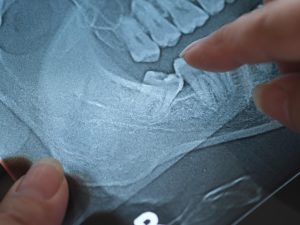
- Examination and X-rays: The dentist will visually examine the chipped tooth and the surrounding tissues. X-rays are often taken to assess the root of the tooth and any potential damage to the surrounding bone.
- Cleaning and Assessment: The area around the chipped tooth will be cleaned. The dentist will evaluate the size and location of the chip, as well as any sensitivity or pain.
- Treatment Options: Treatment options vary depending on the severity of the chip. Minor chips might be smoothed and polished. More significant chips could require bonding, veneers, or crowns to restore the tooth’s function and appearance. Restorative treatments aim to preserve tooth structure and function.
- Nerve Assessment: If the chip is close to the nerve, the dentist might perform tests to assess nerve vitality. In cases of nerve damage, a root canal might be necessary.
- Follow-up Care: The dentist will provide instructions for aftercare, which might include avoiding hard or sticky foods and maintaining good oral hygiene. Regular check-ups will be recommended to monitor the repaired tooth.
A chipped tooth, while often a minor injury, requires prompt and appropriate first aid to minimize discomfort and prevent further complications. Immediate steps such as rinsing the mouth, applying a cold compress, and protecting the damaged area can make a significant difference. Recognizing when to seek professional dental help is crucial for ensuring the tooth is properly treated and restored. Early intervention can save the tooth and prevent more extensive and costly procedures.
For comprehensive dental care following a chipped tooth, contact Bloor West Dentistry at (416) 763-1283.