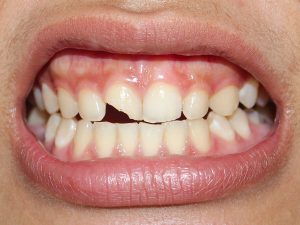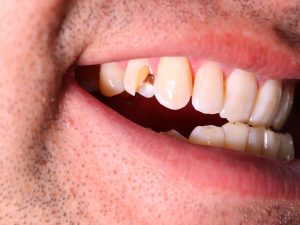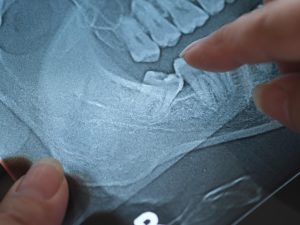
Root canal procedures are essential for addressing issues within the dental pulp, which can cause infection and inflammation. Early detection of symptoms is crucial for timely intervention and preventing tooth loss. Delaying treatment can lead to increased pain, abscess formation, and potential health issues. Understanding common signs and seeking dental consultation is essential for maintaining oral health and making informed decisions about dental care.
Most Common Root Canal Warning Signs
Early detection of root canal problems relies on recognizing specific symptoms. These indicators, while not definitive proof of the need for a root canal, warrant prompt dental evaluation. Understanding these signs allows for timely intervention.
- Persistent Tooth Pain: A throbbing, sharp, or dull ache that lingers is a primary indicator. This pain may be constant or intermittent, and it can be exacerbated by chewing or applying pressure. According to the Canadian Dental Association (CDA), persistent dental pain is not normal and should be investigated. The intensity of the pain does not always correlate with the severity of the problem.
- Sensitivity to Hot and Cold: Increased sensitivity to hot or cold temperatures, even after the stimulus is removed, can signal pulp inflammation. This sensitivity might manifest as a sharp, intense pain when consuming hot beverages or cold foods. Such sensitivity suggests the nerve within the tooth is compromised.
- Swelling and Tenderness: Inflammation or infection within the tooth can spread to the surrounding gums, causing swelling and tenderness. The gum area near the affected tooth may feel puffy or painful to the touch. This swelling is a sign the infection is extending beyond the tooth itself.
- Discolouration of the Tooth: A darkening of the tooth can indicate that the pulp is dying. As the nerve tissue breaks down, it can stain the tooth, giving it a greyish or brownish appearance. This discolouration is often a sign of chronic pulp damage.
- Pain While Chewing or Applying Pressure: Pain experienced when biting down or putting pressure on a specific tooth can be a sign of inflammation or infection in the pulp or the surrounding periodontal ligament. This symptom often points to an issue at the root of the tooth.
- A Loose Tooth: Infection and inflammation can affect the bone supporting the tooth, leading to loosening. While loose teeth can have other causes, when accompanied by pain or swelling, it may indicate a root canal problem. Bone resorption due to infection can compromise tooth stability.
- A Pimple-like Bump on the Gums: A small, pus-filled bump, known as a fistula or abscess, may appear on the gums near the affected tooth. This bump is a sign that infection is draining from the root of the tooth. While the bump may disappear temporarily, the underlying infection persists.
- Swollen Lymph Nodes: In some cases, infection from a tooth can spread to the lymph nodes in the neck, causing them to swell. This is a sign that the infection is spreading beyond the immediate vicinity of the tooth.
- Foul Breath or an Unpleasant Taste in the Mouth: Even with proper dental hygiene, persistent foul breath or an unpleasant taste in the mouth may indicate a tooth infection. Bad tastes and smells can be produced by the bacteria and decomposing pulp.
When to Seek Professional Help
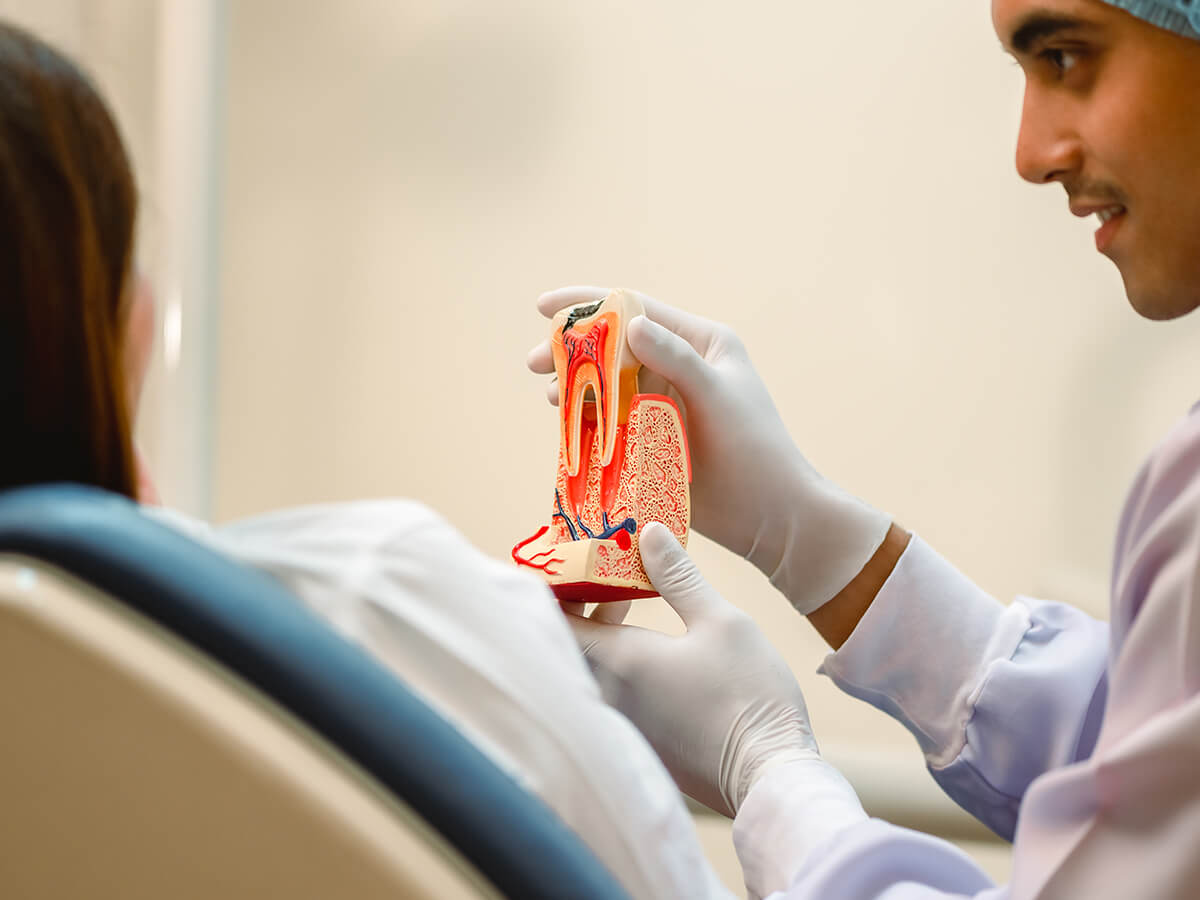
Early dental consultation is crucial for preventing complications and saving teeth, as ignoring these signs can lead to worsening pain, abscess formation, and systemic health issues.
- Experiencing Severe or Persistent Pain: If tooth pain is intense, unrelenting, or significantly disrupts daily activities, immediate dental attention is warranted. Severe pain often indicates a significant issue requiring prompt treatment.
- Noticeable Swelling of the Gums or Face: Swelling around the affected tooth or extending to the face is a serious sign of infection that requires urgent evaluation. Facial swelling can indicate a spreading infection that needs immediate attention.
- Prolonged Sensitivity to Hot or Cold: Sensitivity that lasts for more than a few seconds after exposure to hot or cold stimuli suggests nerve damage and necessitates dental assessment. Persistent sensitivity indicates the pulp is inflamed or infected.
- Presence of a Gum Boil or Abscess: The appearance of a pimple-like bump or abscess on the gums is a clear indication of infection requiring professional treatment. These lesions signify pus drainage from the infected tooth root.
- Tooth Discolouration with Other Symptoms: If a tooth has darkened and is accompanied by pain, swelling, or sensitivity, it is crucial to seek dental advice promptly. The combination of discolouration and other symptoms strongly suggests pulp damage.
- Pain When Biting or Chewing that Persists: Pain when applying pressure to a tooth that does not resolve quickly should be evaluated by a dentist. This symptom can indicate inflammation or infection at the tooth root.
- Any Combination of the Above Symptoms: Experiencing multiple warning signs simultaneously increases the likelihood of a significant dental problem requiring professional intervention. A combination of symptoms warrants prompt dental examination.
What to Expect at the Dentist

A dentist conducts a comprehensive examination for suspected root canal issues, assessing the tooth and surrounding tissues, which can alleviate anxiety and ensure accurate diagnosis.
- Medical History and Symptom Review: The dentist will inquire about your medical history and the specific symptoms you are experiencing. Providing detailed information about the onset, duration, and nature of your pain is crucial for diagnosis.
- Visual Examination of the Tooth and Gums: The dentist will visually inspect the affected tooth and surrounding gum tissue for signs of swelling, discolouration, cracks, or abscesses. This initial examination provides valuable clues about the problem.
- Sensitivity Tests: The dentist may apply hot or cold stimuli to the tooth to assess its sensitivity. They might also tap on the tooth to check for tenderness, indicating inflammation of the surrounding tissues.
- X-rays: Dental radiographs are essential for visualizing the tooth roots and surrounding bone. X-rays can reveal signs of infection, abscess formation, or damage to the bone. According to the CDA, radiographs are a standard diagnostic tool in endodontic assessments.
- Pulp Testing: A small electrical current may be applied to the tooth to assess the vitality of the pulp. This test helps determine if the nerve inside the tooth is still alive.
- Diagnosis and Treatment Plan: Based on the examination and tests, the dentist will diagnose the issue and discuss the recommended treatment plan, which may include a root canal procedure. The dentist will explain the procedure, its benefits, and potential risks.
Identifying warning signs of root canal need is crucial for maintaining oral health and preventing complications. These include persistent pain, temperature sensitivity, swelling, and tooth discoloration. Prompt dental evaluation can save the tooth and alleviate discomfort. Ignoring these signs can lead to severe problems like abscesses and bone loss. Prioritizing dental health and seeking professional help is essential for overall well-being, with early detection and treatment leading to positive outcomes.
If you are experiencing any of these warning signs, do not delay seeking professional dental care. Contact Bloor West Dentistry today at (416) 763-1283 to schedule an examination.