Halitosis is the medical term for bad breath, a condition marked by an unpleasant odour emanating from the mouth. It is a widespread issue, affecting a substantial portion of the population at some point in their lives. The presence of persistent bad breath can significantly impact an individual’s social interactions, professional relationships, and overall quality of life. This guide examines the various reasons behind persistent bad breath and offers ways to manage it.
Common Oral Causes of Bad Breath
Many instances of bad breath come from issues within the mouth itself. These oral factors often involve the presence of bacteria and the breakdown of food particles. Maintaining good oral hygiene is fundamental to controlling these issues.
- Bacterial Accumulation on the Tongue
The tongue’s surface, particularly the back, can harbour numerous bacteria. These microorganisms break down proteins and food debris, releasing foul-smelling volatile sulphur compounds (VSCs). A white or yellowish coating on the tongue often signals this bacterial presence. Regular cleaning of the tongue, beyond just brushing teeth, is essential for reducing this bacterial load.
- Poor Oral Hygiene
Infrequent or ineffective brushing and flossing allow food particles to remain in the mouth. These trapped particles decompose, becoming a food source for bacteria, which then produce odorous gases. Plaque, a sticky film of bacteria, also accumulates on teeth and gums, contributing to bad breath and increasing the risk of gum disease. Consistent and thorough oral hygiene practices are paramount.
- Gum Disease (Periodontal Disease)
Inflammation and infection of the gums, known as gingivitis or periodontitis, can lead to significant bad breath. As gum disease progresses, pockets form between the teeth and gums, creating ideal environments for odour-producing bacteria to thrive. Bleeding gums and loose teeth are also common signs of this condition. Treating gum disease is crucial for alleviating associated halitosis.
- Dry Mouth (Xerostomia)
Saliva plays a vital role in cleansing the mouth, washing away food particles and bacteria. When saliva production is reduced, the mouth becomes dry, allowing bacteria to multiply more rapidly and contribute to bad breath. Dry mouth can be caused by certain medications, medical conditions, or even breathing through the mouth. Increasing fluid intake and using saliva substitutes can help manage this condition.
- Dental Cavities and Abscesses
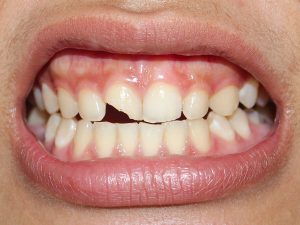
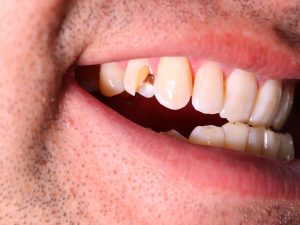
Untreated tooth decay creates holes in the teeth where food particles can become trapped and decompose. These decaying areas can harbour odour-producing bacteria. Dental abscesses, which are pus-filled infections, also release unpleasant odours. Addressing these dental problems promptly is necessary to eliminate this source of bad breath. Regular dental check-ups can identify and treat these issues early.
- Oral Infections
Infections in the mouth, such as fungal infections (e.g., thrush) or viral infections, can produce distinctive and unpleasant odours. These infections often present with other symptoms like pain, redness, or white patches. Prompt diagnosis and treatment of oral infections are essential to resolve the associated bad breath.
Factors That Can Worsen Bad Breath

Beyond direct oral health issues, several other factors can significantly contribute to or worsen persistent bad breath. These range from dietary choices to underlying health conditions that may not seem directly related to oral hygiene.
- Certain Foods and Beverages
Consuming foods with strong odours, such as garlic, onions, and certain spices, can temporarily cause bad breath. The volatile compounds from these foods are absorbed into the bloodstream and then expelled through the lungs. Coffee and alcohol can also contribute to dry mouth, thereby exacerbating halitosis. Limiting intake of these items can help control transient breath issues.
- Smoking and Tobacco Use
Tobacco products, including cigarettes, cigars, and chewing tobacco, are major contributors to persistent bad breath. Smoking causes a distinct, unpleasant odour on its own. Furthermore, tobacco use dries out the mouth, promotes gum disease, and stains teeth, all of which contribute to a worsening of breath. Quitting tobacco is a significant step towards fresher breath and better overall health.
- Medical Conditions
Some systemic medical conditions can manifest as bad breath. Respiratory tract infections like bronchitis or sinusitis can produce odorous mucus. Certain metabolic disorders, liver disease, kidney failure, and uncontrolled diabetes can also cause specific breath odours due to chemicals released in the bloodstream. Addressing the underlying medical condition is crucial for resolving the related halitosis. Consulting a healthcare professional is important if these conditions are suspected.
- Medications
Many medications can cause dry mouth as a side effect, which, as mentioned, is a common contributor to bad breath. Antihistamines, decongestants, antidepressants, and diuretics are examples of drugs that can reduce saliva flow. If a medication is suspected to be causing dry mouth and bad breath, discussing alternatives or management strategies with a doctor is advisable.
Prevention and Treatment Strategies
Preventing bad breath often involves a combination of consistent oral hygiene practices and lifestyle adjustments. When these measures are insufficient, there are several treatment options available to address the underlying causes.
- Establish a Rigorous Oral Hygiene Routine
Brushing teeth twice daily for at least two minutes with a fluoride toothpaste is fundamental. Flossing daily removes food particles and plaque from between teeth and under the gum line, areas a toothbrush cannot reach. This routine significantly reduces the bacterial load in the mouth. Focusing on thorough cleaning helps remove the primary sources of odour.
- Clean Your Tongue Regularly
Using a tongue scraper or the back of your toothbrush to clean your tongue daily can significantly reduce bad breath. This practice removes the bacterial film and food debris that accumulate on the tongue’s surface, particularly towards the back. Regular tongue cleaning is a simple yet effective step in maintaining fresh breath (oral hygiene routine).
- Stay Hydrated
Drinking plenty of water throughout the day helps maintain saliva flow, which naturally cleanses the mouth. Water washes away food particles and neutralises acids, reducing the environment for odour-producing bacteria. Carrying a water bottle and sipping regularly can help prevent dry mouth. Hydration is an important aspect of preventing dry mouth bad breath.
- Dietary Modifications
Reducing consumption of strong-smelling foods like garlic and onions, especially before social interactions, can help. Limiting coffee and alcohol intake also helps prevent dry mouth. Incorporating more water-rich fruits and vegetables can also aid in saliva production and mouth cleansing. A balanced diet contributes to overall oral health.
- Quit Smoking and Tobacco Use
Cessation of all tobacco products is one of the most impactful steps to improve breath. Quitting not only eliminates the inherent odour of tobacco but also improves gum health and reduces the risk of dry mouth, leading to lasting improvements in breath freshness. Support groups and nicotine replacement therapies can assist in this process.
- Regular Dental Check-ups and Cleanings
Visiting your dentist regularly, ideally twice a year, is crucial. These visits allow for professional cleanings to remove stubborn plaque and tartar, which harbour bacteria. Dentists can also identify and treat cavities, gum disease, and other oral health issues that contribute to bad breath early on. Professional dental care is a cornerstone of prevention.
- Use Mouthwash Judiciously
Antiseptic mouthwashes can temporarily mask bad breath and reduce bacteria. However, they are not a substitute for brushing and flossing. Some mouthwashes contain alcohol, which can dry the mouth, potentially worsening breath in the long run. Consult your dentist about appropriate mouthwash choices.
- Address Underlying Medical Conditions
Bad breath may be a sign of an underlying medical condition if it lingers even after practicing good dental hygiene. It is essential to speak with a physician to look into possible systemic concerns, such as metabolic disorders, intestinal troubles, or respiratory infections. Treating the root cause is essential for long-term relief from chronic bad breath.
When to See a Doctor or Dentist

While many cases of bad breath can be managed with improved oral hygiene, there are instances where professional evaluation is necessary. Knowing when to seek help is important for addressing persistent or severe issues.
- Persistent Bad Breath Despite Good Oral Hygiene
If you meticulously brush, floss, and clean your tongue daily, but bad breath continues, it’s time to consult a dentist. This persistence suggests an underlying issue not being resolved by routine cleaning. A dental professional can identify hidden cavities, gum disease, or other oral problems that might be overlooked.
- Bleeding or Swollen Gums
These symptoms are classic signs of gum disease, a significant cause of bad breath. If your gums bleed when you brush or floss, or if they appear swollen and red, a dental examination is warranted. Early intervention can prevent the progression of gum disease and associated halitosis.
- Pain or Difficulty Chewing
Pain in your teeth or gums, or discomfort while chewing, could indicate a severe cavity, an abscess, or other dental infection. These conditions often harbour odour-producing bacteria and require immediate dental treatment. Ignoring such pain can lead to more serious complications.
- Dry Mouth That Doesn’t Improve
If you experience persistent dry mouth, even after increasing your water intake, it warrants a visit to your doctor or dentist. Chronic dry mouth can be a side effect of medication or an indication of an underlying health condition. Addressing the cause of dry mouth is crucial for managing halitosis symptoms.
- Unusual Breath Odours
If your breath has a distinctly unusual smell—beyond typical bad breath—such as a fruity, ammonia-like, or foul odour, it could signal a systemic medical condition. Conditions like diabetes, kidney failure, or liver problems can produce specific breath odours. In such cases, a medical consultation is necessary.
- Difficulty Swallowing or Sore Throat
These symptoms, especially when accompanied by bad breath, could point to throat infections, tonsillitis, or other issues in the respiratory or digestive tracts. Such conditions can produce odorous secretions. A visit to your doctor can help diagnose and treat these problems effectively.
- White Spots on Tonsils
The presence of white, foul-smelling “tonsil stones” (tonsilloliths) can cause significant bad breath. These calcified deposits form in the crevices of the tonsils and trap bacteria. While often benign, they can be irritating and cause persistent halitosis, warranting evaluation by a healthcare provider.
Taking proactive steps to address bad breath can significantly improve confidence and overall well-being. If you are experiencing persistent halitosis or have concerns about your oral health, do not hesitate to seek professional help.
For comprehensive oral care and guidance on managing bad breath, contact Bloor West Dentistry at (416) 763-1283. A Kingsway dentist can provide tailored advice and effective solutions to help you achieve lasting fresh breath.