Tooth sensitivity, also known as dentin hypersensitivity, is a common oral health concern. It manifests as a sharp, fleeting discomfort in one or more teeth, typically triggered by hot, cold, sweet, or acidic stimuli. Many individuals in Canada experience this sensation. Statistics Canada’s 2024 Canadian Health Measures Survey indicated that almost 1 in 4 adults experiences some form of tooth pain, which often includes sensitivity.
Tooth sensitivity is inconvenient at best and debilitating at worst, so it is important for you to understand where this condition is coming from. Let’s examine the reasons behind tooth sensitivity and discusses various strategies for managing and alleviating its symptoms. Understanding why your teeth are sensitive is the initial step towards effective management.
How Tooth Sensitivity Occurs
Tooth sensitivity occurs when a tooth’s cementum and enamel, which act as protective layers, erode or recede, revealing the dentin underneath. Dentin is a porous tissue made up of microscopic tubules, or canals, that lead to the tooth’s pulp, which contains nerves and blood vessels. When dentin becomes exposed, external stimuli such as temperature changes or certain foods can travel through these tubules directly to the nerve within the pulp, causing a sharp, brief pain. This mechanism clarifies why your teeth hurt when exposed to various triggers.
Common Causes of Tooth Sensitivity
Understanding the underlying factors contributing to sensitive teeth is crucial for effective management. Several common issues can lead to the exposure of dentin and subsequent sensitivity.
- Enamel Erosion from Acidic Foods and Drinks: Too much acidic food and drink, like citrus fruits, carbonated drinks, and some fruit juices, can slowly erode dental enamel. Over time, this erosion thins the enamel, exposing the dentin and leading to dental sensitivity.
- Gum Recession: Gum tissue can recede for various reasons, including aggressive brushing, periodontal disease, or even natural aging. When gums pull back, the root surface, which is covered by a thinner layer of cementum than enamel, becomes exposed. This exposed cementum offers less protection, making the tooth root more sensitive to cold and other stimuli.
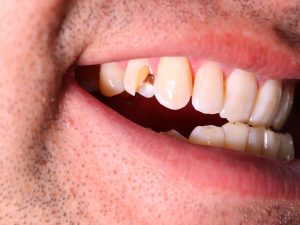
- Tooth Decay (Cavities): A cavity is a hole in the tooth caused by decay. As decay progresses, it can reach the dentin, creating a direct pathway for stimuli to reach the nerve. Even a small cavity can cause considerable tooth pain when eating sweets or consuming cold items.
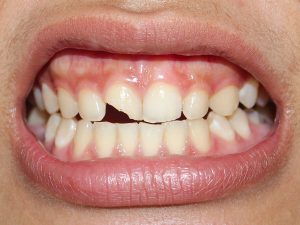
- Cracked or Chipped Teeth: Traumatic injuries, biting on hard objects, or grinding teeth can lead to cracks or chips in the tooth. These fractures can expose the dentin, or even extend into the pulp, resulting in intense pain from sensitive teeth. Such damage compromises the tooth’s structural integrity.
- Bruxism (Teeth Grinding or Clenching): Habitual grinding or clenching of teeth, often unconsciously during sleep, can wear down the enamel over time. The constant pressure and friction erode the tooth’s outer layer, leading to exposed dentin and tooth nerve sensitivity. This also puts stress on the supporting structures.
- Aggressive Tooth Brushing: Brushing too hard or using a toothbrush with stiff bristles can abrade tooth enamel and contribute to gum recession. This mechanical wear and tear removes the protective layers, leaving the dentin vulnerable and causing tooth sensitivity when brushing. Gentle brushing techniques are important for oral health.
- Recent Dental Procedures: It is common to experience temporary tooth sensitivity after a filling or other dental work. Procedures like teeth whitening, professional cleanings, or even crowns can sometimes cause transient sensitivity. This usually subsides as the tooth recovers.
When to See a Dentist: Red Flags

While many instances of tooth sensitivity are manageable with conservative measures, certain signs indicate the need for prompt professional dental evaluation. Ignoring these signals could lead to more significant oral health problems.
- Persistent Pain: If the sensitive tooth pain is constant and does not subside after a few days, even with changes in diet or oral hygiene, it warrants a dental visit. Persistent pain can indicate a deeper issue, such as a large cavity or an abscess, requiring immediate attention.
- Sharp, Severe Pain: Experiencing sharp, intense pain that lingers for more than a few seconds after exposure to a trigger suggests a more serious problem than typical dentin hypersensitivity. This might point to a cracked tooth extending into the pulp or significant decay.
- Pain with Swelling: Swelling around the affected tooth or in the gums often indicates an infection. An abscess, a pocket of pus caused by bacterial infection, can lead to severe toothache sensitivity and requires urgent dental care to prevent spread of infection.
- Pain Accompanied by Fever: A fever alongside tooth pain is a strong indicator of a systemic infection. This situation necessitates immediate medical and dental attention, as the infection could be spreading beyond the oral cavity.
- Visible Damage to the Tooth: If you can see a crack, chip, or a noticeable hole in your tooth, this visible damage is a clear sign to consult a dentist. Such damage directly exposes sensitive inner structures and needs repair to alleviate painful tooth sensitivity.
- Pain After a Trauma: Any tooth sensitivity after an injury, such as a fall or a blow to the face, should be evaluated by a dentist. Even if there’s no visible damage, internal injury to the tooth or surrounding structures could be present, leading to future complications.
- Difficulty Chewing: If tooth sensitivity is so severe that it interferes with your ability to chew food comfortably, it significantly impacts quality of life and indicates a problem that requires dental intervention. This could be due to severe decay or a fracture.
Home Remedies and Prevention Tips
Many individuals can manage or prevent tooth sensitivity with simple changes to their oral hygiene routine and diet. These strategies focus on protecting enamel and reducing irritants.
- Use a Soft-Bristled Toothbrush: Switching to a soft-bristled toothbrush and employing a gentle brushing technique can prevent further enamel abrasion and gum recession. This is a primary step in preventing sensitive gums and teeth caused by aggressive brushing habits.
- Desensitizing Toothpaste: Regular use of toothpaste specifically formulated for sensitive teeth can significantly reduce discomfort. These toothpastes often contain compounds like potassium nitrate or strontium chloride that block the microscopic tubules in dentin, stopping external stimuli from reaching the nerve.
- Avoid Acidic Foods and Drinks: Tooth enamel can be preserved by limiting the intake of extremely acidic foods and drinks. Rinse your mouth with water after consuming it to counteract the acids and prevent acid erosion on teeth that are sensitive to them. Prior to brushing, wait at least half an hour.
- Address Bruxism: If you grind or clench your teeth, especially at night, wearing a custom-fitted night guard can protect your teeth from further wear. This protective measure can prevent tooth sensitivity from grinding by cushioning the impact and reducing stress on teeth.
- Maintain Good Oral Hygiene: Consistent and thorough oral hygiene, including regular brushing and flossing, is crucial for preventing gum disease and cavities, both of which can contribute to sensitive teeth. Removing plaque reduces the risk of inflammation and decay.
- Fluoride Rinse: Using a fluoride mouth rinse can help strengthen tooth enamel and make it more resistant to acid attacks. Fluoride also aids in remineralization of weakened enamel, thereby reducing dental sensitivity. Always follow product instructions for best results.
- Regular Dental Check-ups: Visiting your dentist for routine check-ups and cleanings allows for early detection and treatment of issues that could lead to tooth sensitivity. Professional cleanings remove tartar build-up that cannot be removed by brushing alone.
Professional Dental Treatments

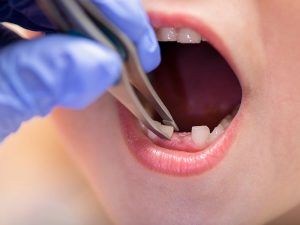
When tooth sensitivity persists despite home care efforts, a dentist can offer a range of professional treatments designed to provide relief and address underlying causes. These interventions can significantly improve comfort and oral health.
- Fluoride Varnishes or Gels: Dentists can apply professional-strength fluoride varnishes or gels to the sensitive areas of the teeth. These applications provide a higher concentration of fluoride than over-the-counter products, effectively strengthening enamel and dentin and reducing tooth sensitivity to cold.
- Bonding or Fillings: For areas of exposed dentin caused by gum recession or root erosion, a dentist may apply a bonding agent or a tooth-coloured filling material. This covers the exposed surface, creating a barrier that protects the dentin from external stimuli and alleviates gum recession sensitivity.
- Gum Grafts: In cases of significant gum recession that expose the tooth roots and cause severe root sensitivity, a gum graft procedure may be recommended. This involves taking tissue from another part of the mouth and surgically placing it over the exposed root surface, providing natural protection.
- Root Canal Treatment: If tooth sensitivity is severe and persistent, and other treatments have not been effective, it may indicate damage to the tooth’s pulp. A root canal procedure removes the inflamed or infected pulp, eliminating the source of pain and effectively treating intense tooth sensitivity.
- Crowns or Inlays: For teeth with extensive decay, large cracks, or significant wear that causes extreme tooth sensitivity, a crown or an inlay may be necessary. These restorations cover and protect the entire visible portion of the tooth or a specific area, restoring its integrity and function.
- Desensitizing Agents Applied In-Office: Dentists have access to various professional-strength desensitizing agents that can be applied directly to the affected teeth. These agents work by sealing the dentinal tubules or by desensitizing the nerve endings, providing immediate and often long-lasting relief from dental hypersensitivity.
- Laser Treatment: In some instances, laser therapy can be used to treat tooth sensitivity. Lasers can help to seal the dentinal tubules, reducing the ability of stimuli to reach the nerve. This non-invasive option can provide significant relief for many patients experiencing cold sensitivity teeth.
Tooth sensitivity is a widespread issue stemming from various factors, primarily the exposure of dentin. Understanding the causes, from enamel erosion to gum recession, is paramount for effective management. While many instances can be mitigated with diligent home care and preventive measures, persistent or severe symptoms warrant professional dental intervention. Seeking timely dental advice ensures accurate diagnosis and appropriate treatment, preserving oral health and comfort.
If you are experiencing tooth sensitivity, do not hesitate to contact Bloor West Dentistry at (416) 763-1283. Our dentist in Kingsway can provide tailored solutions to alleviate your discomfort.