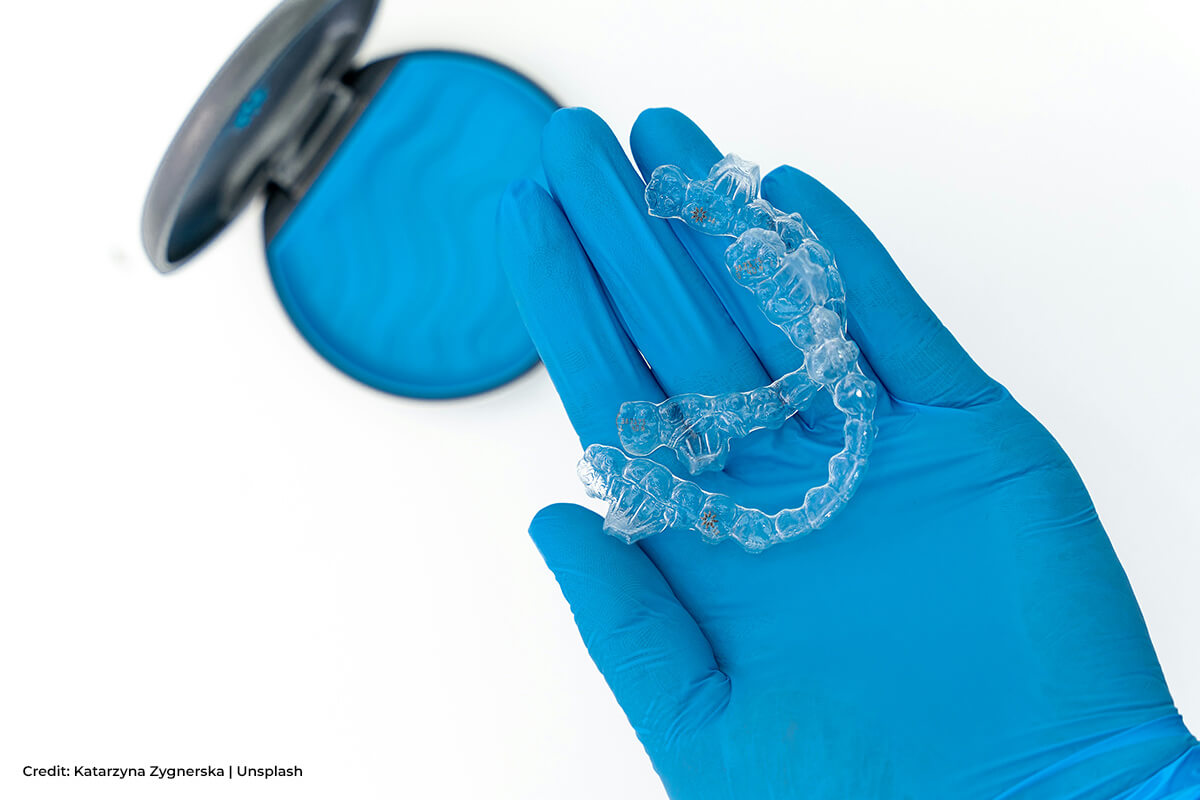
Invisalign offers a discreet and comfortable alternative to traditional braces, utilising a set of transparent, removable aligners to gradually shift your teeth into their appropriate positions. These aligners are custom-made to fit your teeth snugly, making them virtually invisible when worn. Unlike traditional braces, Invisalign aligners can be easily removed for eating, drinking, or brushing providing greater convenience and flexibility during treatment.
With Invisalign, you can enjoy a straighter smile without the discomfort and inconvenience associated with metal braces. The smooth plastic aligners eliminate the risk of mouth irritations often caused by wires and brackets. Moreover, the treatment typically requires fewer dental visits compared to traditional braces, saving you time and effort. Its rising popularity is a testament to its effectiveness and patient satisfaction.
Am I a Candidate for Invisalign?
Invisalign is suitable for a wide range of orthodontic concerns, but it’s important to consult with an experienced dentist or orthodontist to determine if it’s the right option for you. Here’s a general overview of factors that may influence your candidacy:
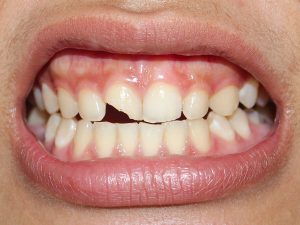
- Severity of Malocclusion: Invisalign excels at treating mild to moderate misalignment issues, including crowding, overbite, underbite, and crossbite. For complex cases or severe skeletal discrepancies, traditional braces may be a more appropriate solution.
- Age: Invisalign is suitable for teenagers and adults with fully developed teeth and jaws. In young children, whose dental structures are still growing, traditional braces may offer better control over tooth movement and jaw development.
- Commitment to treatment: Invisalign treatment demands consistent wear for a minimum of 20-22 hours per day. Adherence to this requirement is crucial for achieving the desired results.
- Oral hygiene habits: Maintaining excellent oral hygiene is paramount throughout Invisalign treatment. Diligent brushing and flossing after meals and before reinserting the aligners are essential for preventing plaque buildup and tooth decay.
- Lifestyle factors: The removability of Invisalign aligners offers benefits for individuals engaged in sports or playing musical instruments. However, it’s crucial to store the aligners properly when not in use to avoid damage or loss.
The Invisalign Process
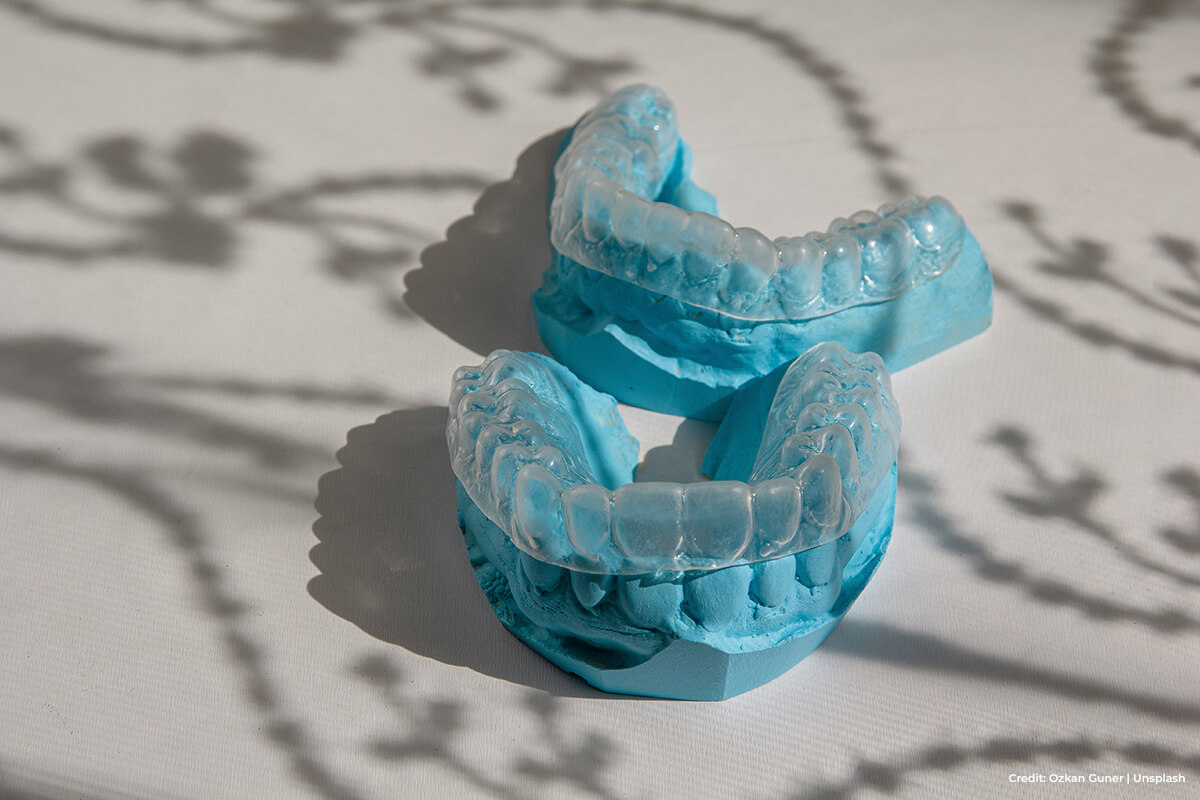
Getting an Invisalign involves several key steps, ensuring a smooth and successful treatment experience:
Initial Consultation
- Comprehensive Assessment: Your journey begins with a thorough assessment of your orthodontic needs, treatment goals, and oral health. This includes a visual examination, digital scans or impressions of your teeth, and X-rays.
- Personalized Treatment Plan: Your dentist or orthodontist will use the gathered data to create a 3D treatment plan tailored to your specific needs. This digital plan will outline the expected movement of your teeth and the estimated treatment duration.
- Discussion of Treatment Options: During the consultation, you’ll discuss Invisalign treatment in detail, including its benefits, limitations, costs, and the expected timeframe. This is the perfect opportunity to ask any questions you may have.
Receiving Your Aligners
- Aligner Fabrication: Once the treatment plan is finalized, a series of custom-made aligners will be fabricated using 3D printing technology. Each aligner represents a specific stage in your teeth’s journey towards alignment.
- Aligner Fitting and Instructions: Once your first set of aligners is ready, you’ll return to the dental office for fitting. Your dentist or orthodontist will ensure a proper fit and provide detailed instructions on how to wear, remove, and care for your aligners.
- Attachments and IPR: In some cases, small tooth-coloured attachments or interproximal reduction (IPR) may be necessary to facilitate tooth movement. Attachments help the aligners grip your teeth better, while IPR involves slight enamel reduction to create space for teeth to move.
Wearing Your Aligners
- Consistent Wear: To achieve the desired results, it’s crucial to wear your aligners for at least 20-22 hours per day, removing them only for eating, drinking, and oral hygiene.
- Switching Aligners: You’ll changeto new aligners for every 1-2 weeks, as directed by your dentist or orthodontist. With every new set, your teeth will slowly shift toward their final locations.
- Oral Hygiene: Maintaining excellent oral hygiene is essential during Invisalign treatment. Brush and floss your teeth after every meal and before putting your aligners back in to prevent plaque buildup and cavities.
Follow-Up Appointments
- Progress Monitoring: Regular check-up appointments, typically scheduled every 6-8 weeks, allow your dental professional to monitor your progress and make any necessary adjustments to the treatment plan.
- New Aligner Sets: During these appointments, you’ll receive new sets of aligners to continue your treatment.
- Refinement Aligners: After completing the initial series of aligners, refinement aligners may be needed to fine-tune your results and achieve optimal alignment.
- Retention: Once your treatment is complete, retainers will be provided to maintain your new smile. Wearing retainers as directed by your dentist or orthodontist will prevent your teeth from shifting back to their original positions.
Life with Invisalign
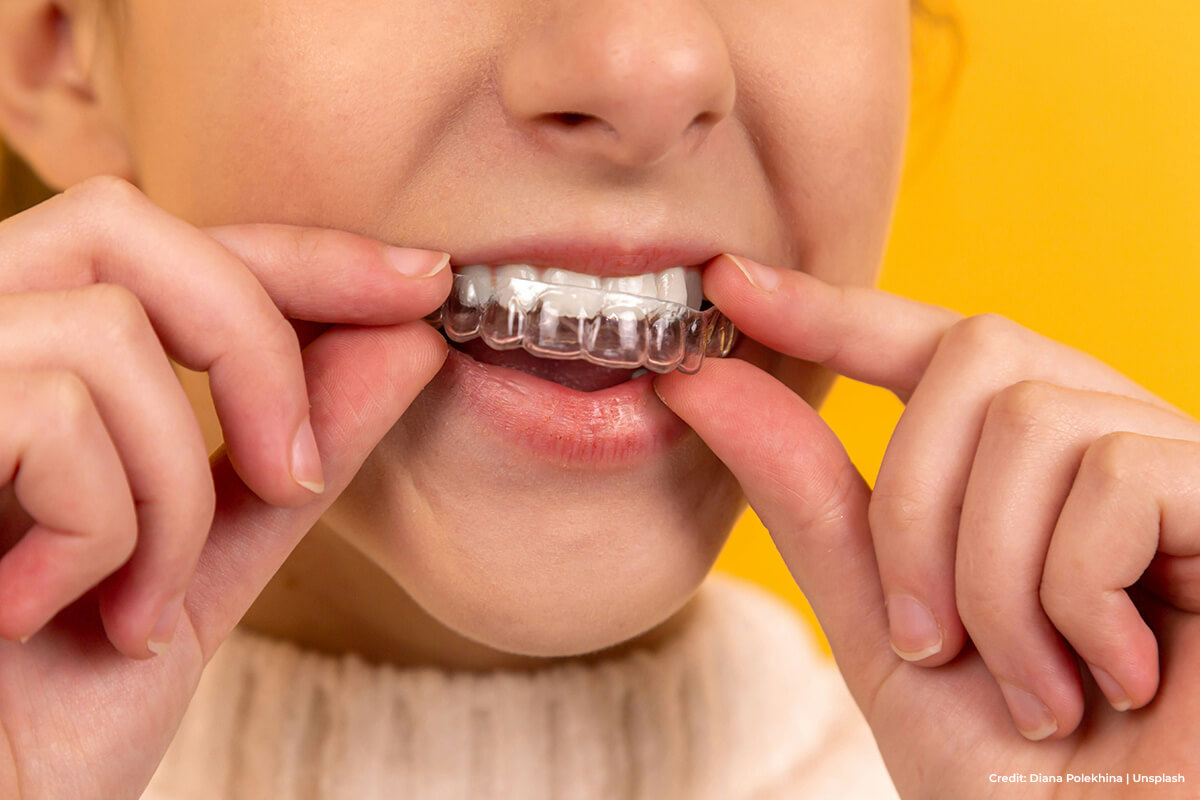
Living with Invisalign aligners requires some adjustments, but most patients find them to be comfortable and easy to manage. Here are some key aspects of life with Invisalign:
- Initial Adjustment: Some individuals may experience temporary discomfort or pressure on their teeth when they first start wearing a new set of aligners. This is normal and indicates that the aligners are working to move your teeth. The discomfort usually subsides within a few days.
- Speech Adaptation: It’s common to have a slight lisp or minor speech changes when you initially begin wearing the aligners. This is usually temporary and improves as your tongue gets used to the aligners.
- Aligner Cleaning: Clean your aligners daily with a gentle toothbrush and mild soap or use cleaning crystals specifically designed for Invisalign. Avoid using hot water or toothpaste, as these can damage the aligners.
- Aligner Storage: When you remove your aligners, always store them in their case to protect them from damage or loss. Avoid wrapping them in napkins or tissues, as they can easily be thrown away accidentally.
- Regular Dental Checkups: Continue to visit your dentist for regular checkups and cleanings throughout your Invisalign treatment. This ensures your oral health stays on track and allows your dentist to monitor your progress.
- Dealing with Attachments: If you have attachments on your teeth, you may experience some slight discomfort or irritation initially. This usually resolves within a few days. Be sure to brush around the attachments carefully to maintain good oral hygiene.
Invisalign offers a modern and effective approach to achieving a straighter smile. Its discreet nature, comfort, and convenience make it a popular choice for individuals seeking orthodontic treatment. If you’re considering Invisalign, consult with a qualified dentist or orthodontist to discuss your treatment options.
For expert Invisalign treatment in Toronto, contact Bloor West Dentistry at (416) 763-1283. Their experienced team can guide you through every step of your Invisalign journey, helping you achieve the smile you’ve always wanted.